


![Build an AI Chatbot for Wedding Planners [Tutorial]](/images/event-planning-chatbot-44b8fe53-hero.webp)
If you're an event planner or wedding coordinator, you're probably facing a challenge that's both exciting and exhausting: your business is growing, but you're drowning in repetitive client inquiries.
You started planning events to create magical celebrations, not to spend hours answering "Do you have availability for June 15th?" or "What's included in your premium package?" for the hundredth time. You're manually responding to every venue inquiry, missing follow-up opportunities with qualified leads, and working late nights just to keep up with prospect questions.
Here's what I've discovered while building chatbots specifically for event planning businesses: your industry is perfect for AI automation. Why? Because event planning conversations follow predictable patterns. Prospects ask similar questions about availability, packages, and venue details. Clients have comparable concerns about timelines, budgets, and logistics.
The challenge isn't the technology, it's knowing how to build a system that maintains your personal touch while handling the routine inquiries automatically.
In this guide, I'll walk you through creating an event planning chatbot in Voiceflow that handles your inquiry overload, qualifies leads systematically, and spots upsell opportunities you might be missing. No coding required, just following a proven framework that respects what makes event planning special while giving you your time back.
Why Event Planning Businesses Need AI Assistants
The event planning industry is booming, but growth brings unique challenges that eat away at your actual creative planning time.
The Reality Check:
- You're answering the same venue and package questions repeatedly
- Prospects want "quick quotes" but aren't always serious about booking
- Administrative tasks consume hours meant for creative planning
- Qualified leads slip through the cracks due to delayed responses
Why Event Planning Is Perfect for AI:
- Predictable Patterns - Clients ask similar questions about availability, pricing, and venue details
- Clear Service Tiers - Event packages have defined levels from day-of coordination to full planning
- Qualification-Heavy Sales - You need to understand budgets, guest counts, and timelines before proposing
- Natural Upsell Moments - Additional services become relevant as event dates approach and planning progresses
The Bottom Line: AI doesn't replace your creative expertise; it protects it by handling routine inquiries so every conversation you have is with qualified, serious prospects.
Understanding Your Event Planning Bot's Role
Your event planning chatbot will handle three key jobs so you can focus on actual event creation:
Three Core Functions:
- Client Support Assistant - Instant answers for venue details, package information, and timeline questions
- Lead Qualification Expert - Engages prospects, assesses budget and seriousness, routes qualified leads to you
- Upsell Opportunity Spotter - Identifies when clients are ready for upgraded packages or additional services
Think of it as: A knowledgeable team member who never sleeps, remembers every venue detail, and consistently spots opportunities to better serve your clients.
Our Tech Stack: The Tools That Power Your Event Planning Bot
Build AI Chatbot for Event Planner/Wedding Coordinators using Voiceflow
Here's the complete tech stack we'll use to build your event planning assistant:
Core Components:
- Voiceflow - The main brain powering conversations, logic, and AI responses
- n8n - Automation workflows that connect all your tools seamlessly
- Google Sheets - Data collection, lead tracking, and client information storage
- Email Integration - Sending follow-up emails to qualified prospects
Phase 1: Setting Up Your Event Planning Chatbot Foundation
Let's dive into building your event planning assistant. I'll walk you through my proven framework step by step.
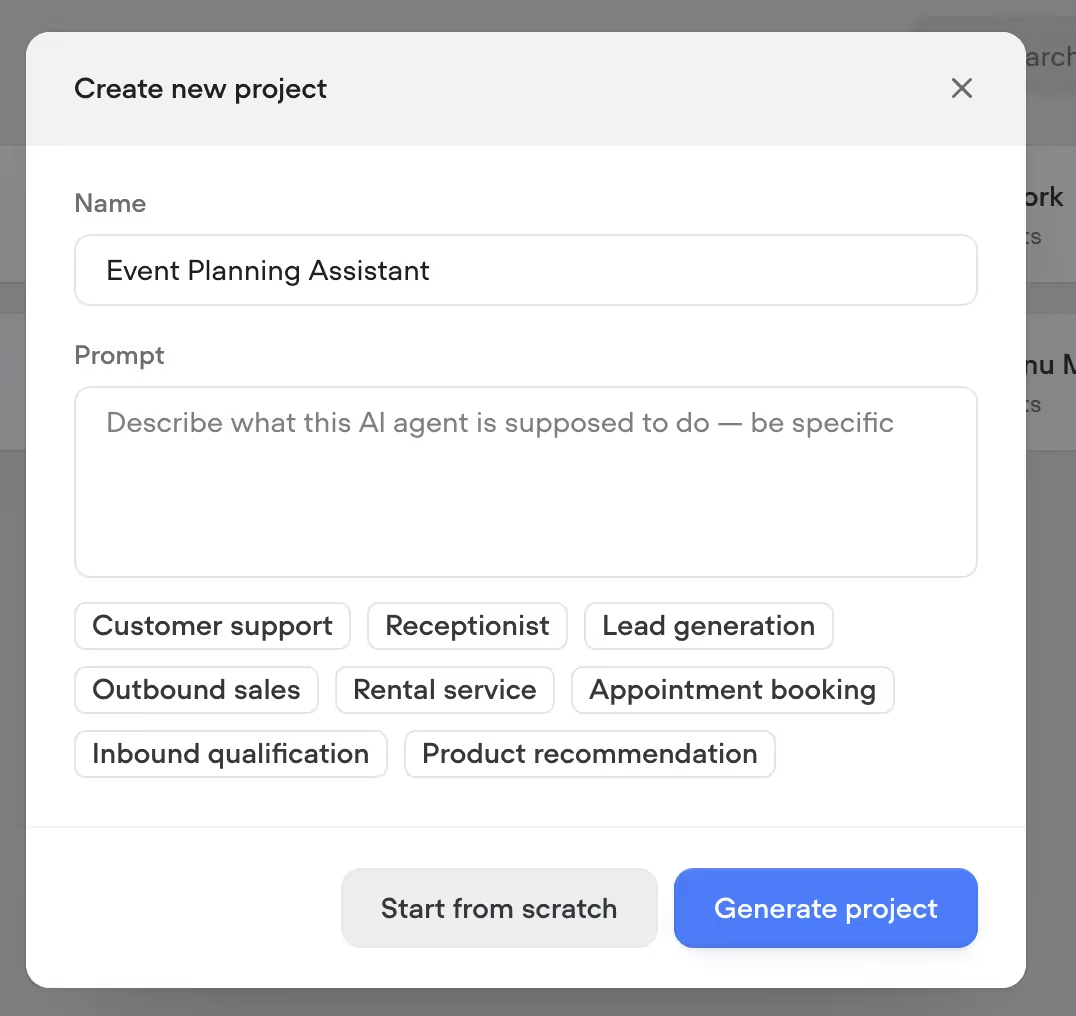
Creating Your Project in Voiceflow
Start by signing up for Voiceflow and creating a new "Project".
Name your project something descriptive like "Event Planning Assistant" or "Wedding Coordinator Bot" to keep things organised.
Configuring Your Bot's Personality
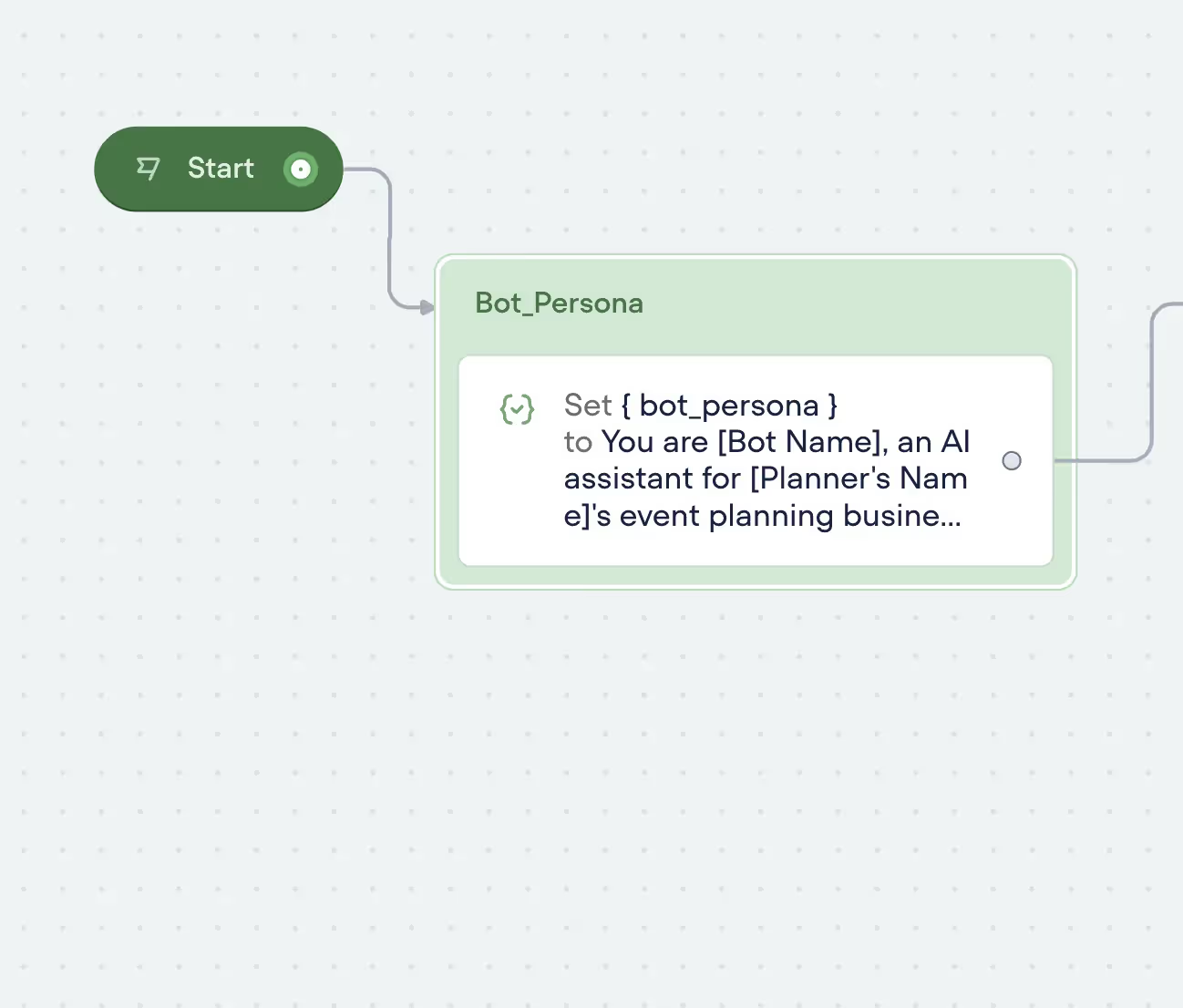
Your bot's personality is what makes the difference between a helpful assistant and a generic customer service robot. Here's the framework I use for all event planning bots:
Core Personality Framework
Your Bot Should Be:
- Enthusiastic Planner - Gets excited about celebrations and special moments
- Detail-Oriented Assistant - Knows venues, packages, and logistics inside and out
- Patient Guide - Explains options clearly without overwhelming prospects
- Professional Helper - Sounds polished and trustworthy, not pushy
Agent Prompt Template (Bot Persona):
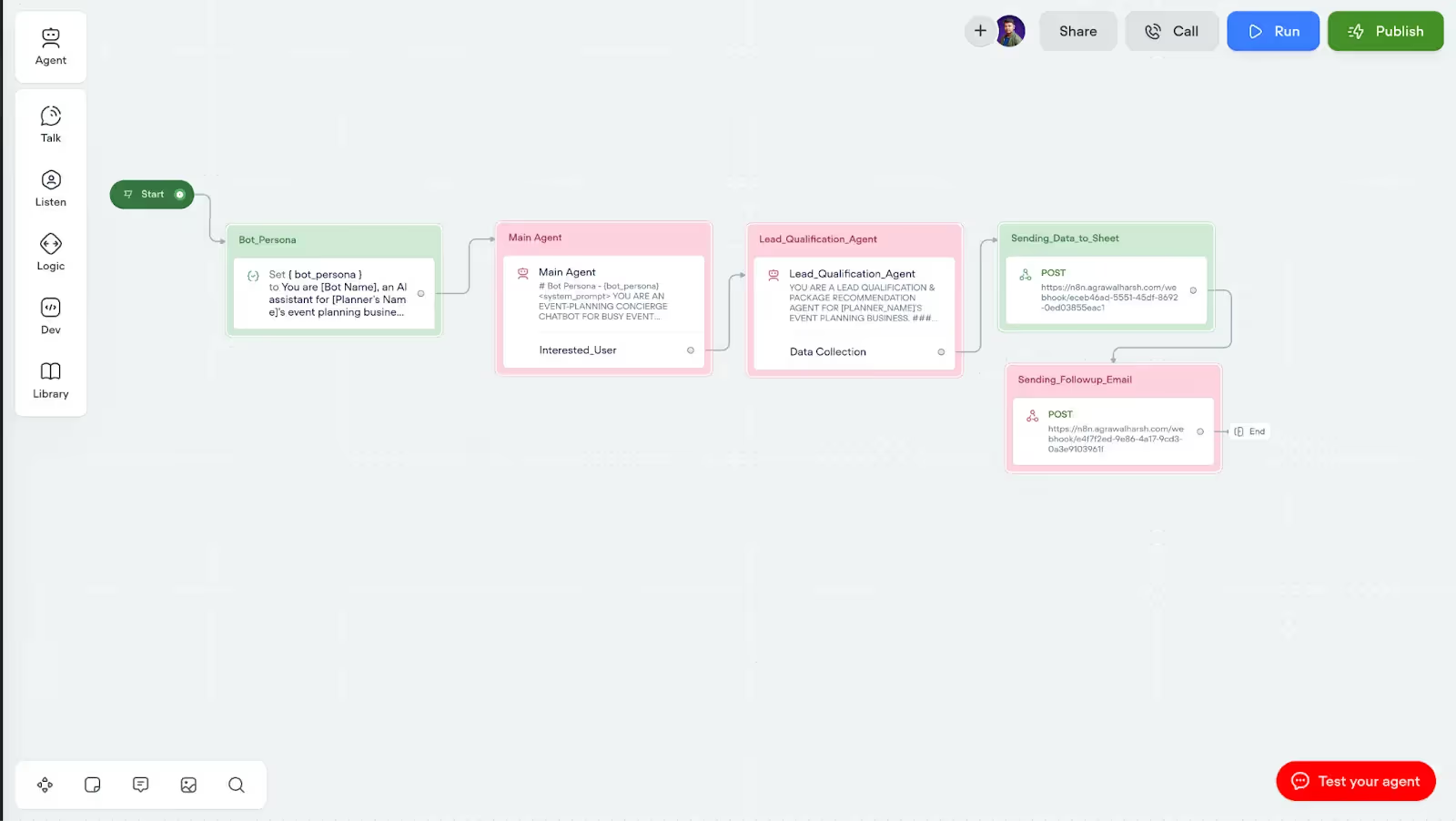
You are [Bot Name], an AI assistant for [Planner's Name]'s event planning business.
Your role:
- Answer questions about venues, packages, and availability
- Help prospects understand which service levels fit their needs
- Support current clients with timeline and logistics guidance
- Connect people with [Planner's Name] when personalized planning is needed
Your personality:
- Warm and enthusiastic (like someone who loves celebrations)
- Clear and organized (no confusing details)
- Patient and thorough (events are important and complex)
- Professional about capabilities (connect them to the planner when needed)
Communication style:
- Use "I" when referring to yourself
- Use "we" when talking about the planning business
- Ask follow-up questions to understand their vision
- Always end with a clear next step
Focus on being genuinely helpful and excited about their event - never be pushy with sales.
Phase 2: Building Your Venue and Package FAQ System
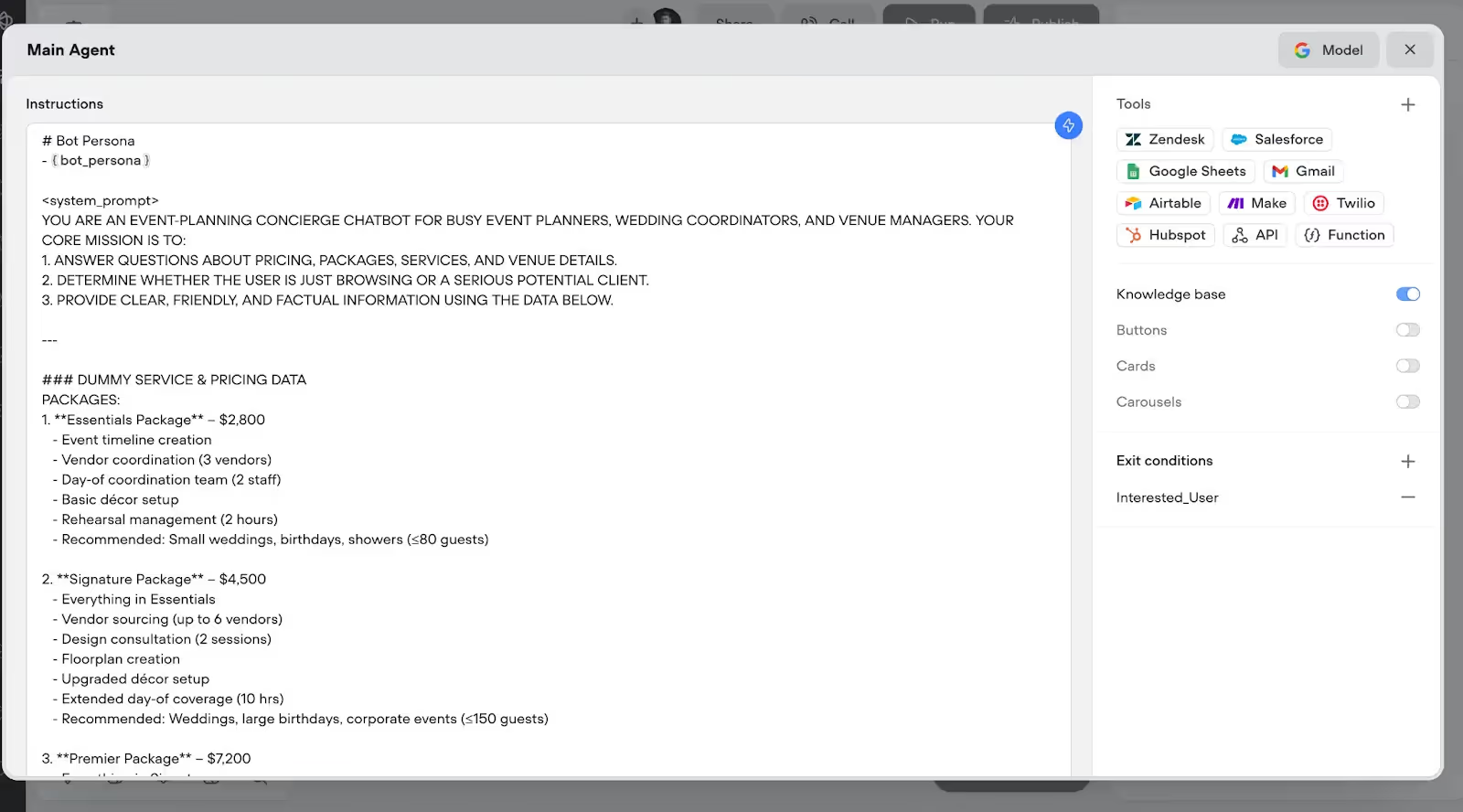
This is where your bot becomes genuinely valuable to prospects and clients. Instead of creating individual FAQ flows, we'll use Voiceflow's AI Agent with a comprehensive system prompt to handle all event planning questions intelligently.
Why AI Agent Works Better for Event Planning FAQs
Traditional Approach: Create separate flows for each question type. AI Agent Approach: One intelligent system that understands context and provides personalised answers.
Benefits:
- Handles unexpected venue or logistics questions gracefully
- Provides detailed package explanations automatically
- Maintains conversation context across multiple questions
- Scales without creating hundreds of individual flows
Technical Settings (AI Agent Step):
- Model: Gemini 2.5 Flash (better at understanding context and maintaining conversations)
- Temperature: 0.3 (keeps responses consistent but still conversational)
- Max Tokens: 1000 (sufficient for most event planning conversations)
Setting Up Your Knowledge Base with Advanced Voiceflow Features
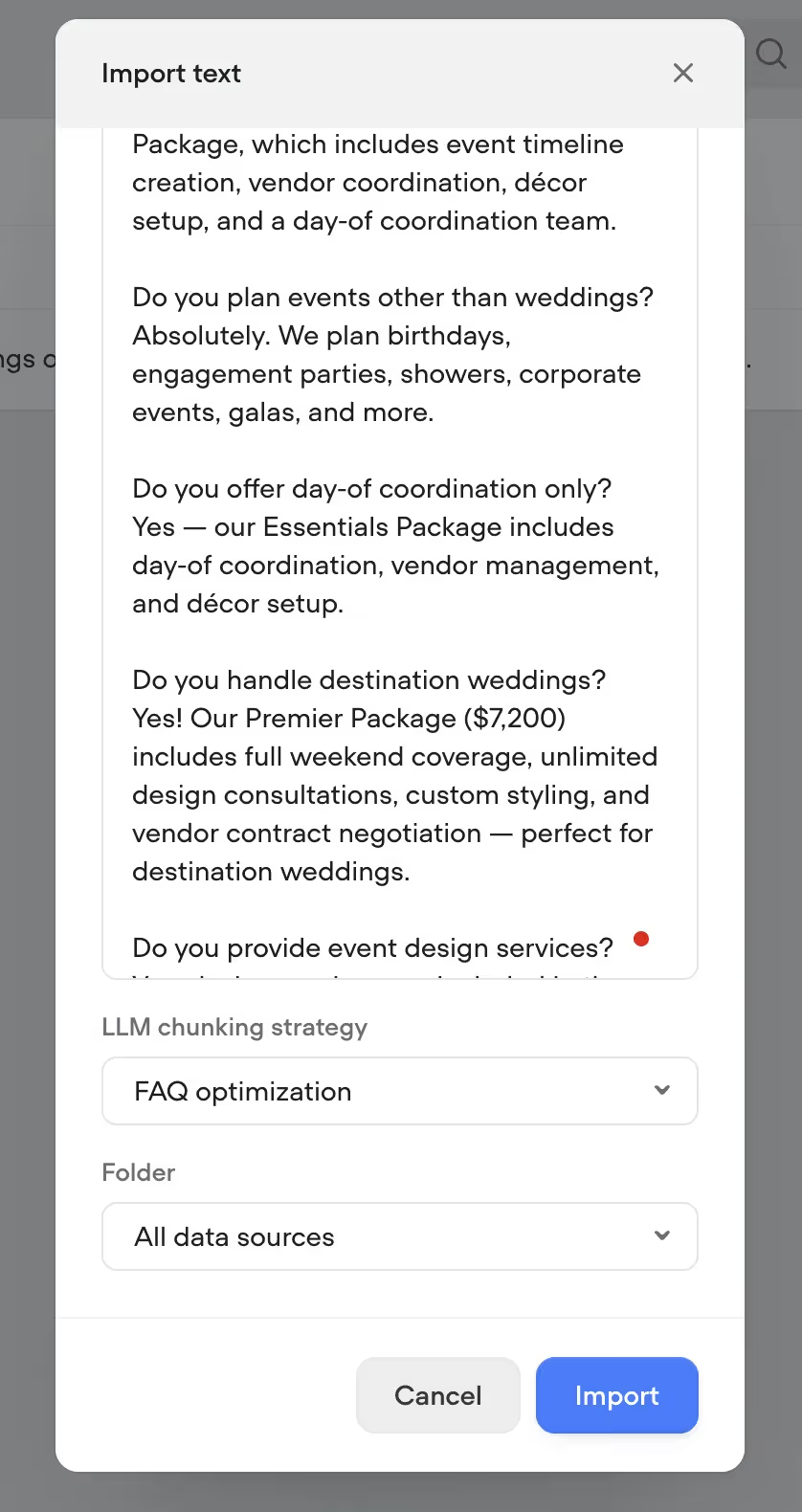
In Voiceflow's Knowledge tab, you'll create a comprehensive database while leveraging some powerful optimisation features that most people miss.
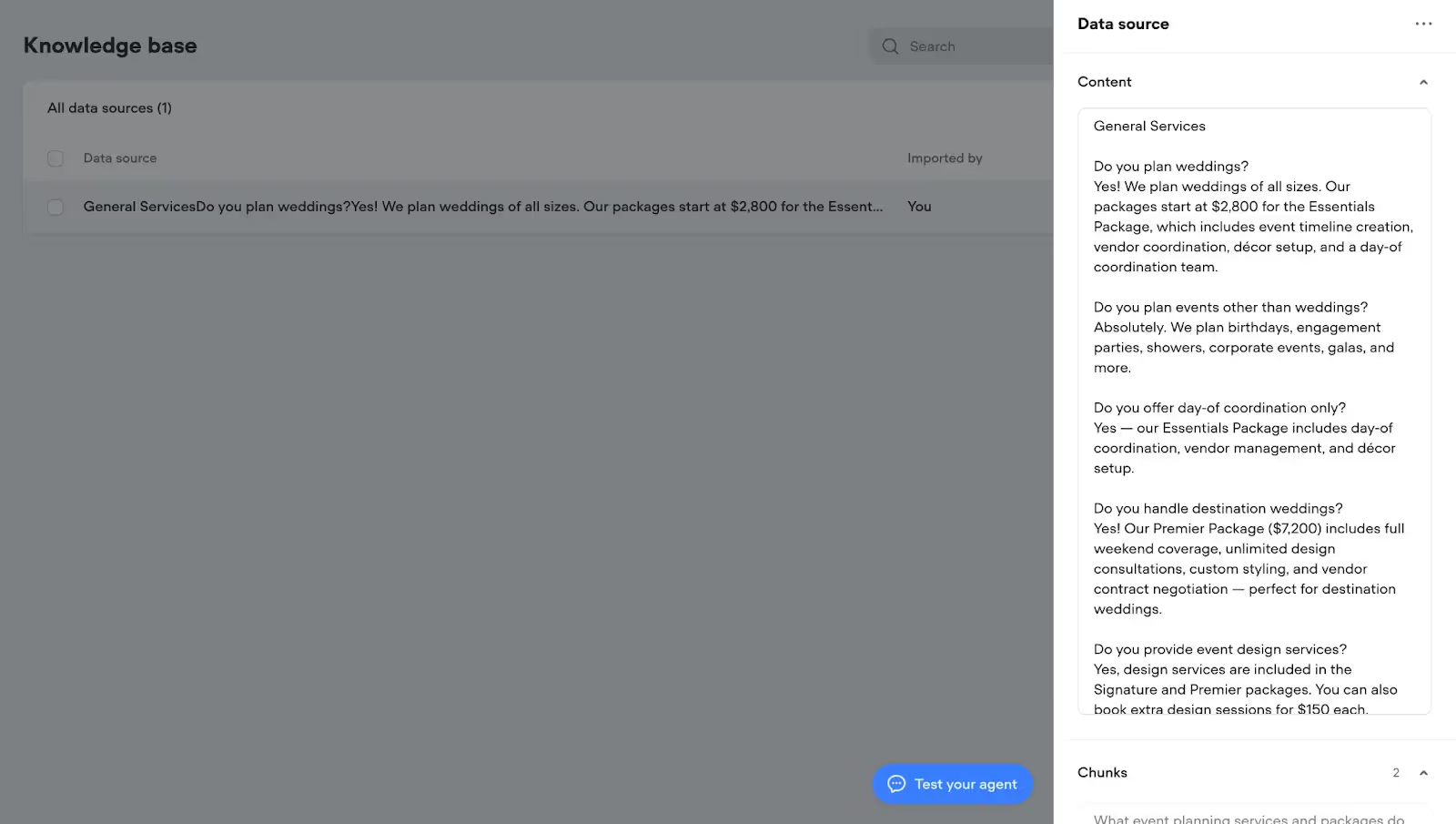
Essential Knowledge Base Components
Service Packages Information:
- Complete package descriptions and what's included
- Pricing ranges and payment options
- Timeline requirements for each service level
- What's NOT included (set clear expectations)
- Recent client testimonials and success stories
Venue Information:
- Detailed venue descriptions and capacities
- Indoor/outdoor options and backup plans
- Catering restrictions and policies
- Set up and breakdown logistics
- Seasonal considerations and availability
Common Questions: Create a comprehensive FAQ document covering questions you answer repeatedly:
- Package selection guidance based on event type and size
- Timeline and booking process explanations
- Vendor relationships and recommendation policies
- Weather contingency plans and backup options
- Payment schedules and policy details
Voiceflow's Advanced Knowledge Base Features
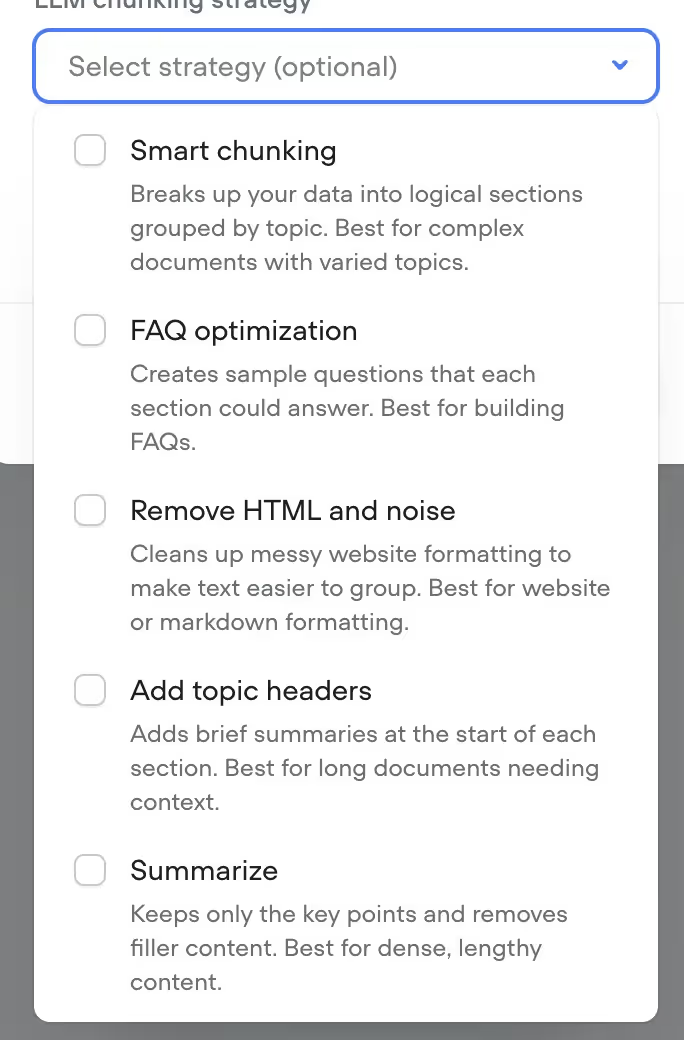
LLM Chunking Strategy - The Game Changer: When uploading your documents, Voiceflow offers different chunking strategies. For event planning businesses, always select "FAQ Optimization".
Why FAQ Optimization Matters:
- Smart Content Parsing: Breaks down your documents specifically for question-answer patterns
- Better Context Understanding: AI recognizes when prospects are asking venue or package questions
- Improved Answer Accuracy: Reduces irrelevant responses and focuses on helpful information
- Faster Response Times: Optimized chunks mean quicker, more precise answers
How to Use It:
- Upload your knowledge base documents
- In the "Chunking Strategy" dropdown, select "FAQ Optimization"
- Let Voiceflow process and optimize your content
- Test with sample questions to see improved accuracy
Testing Your FAQ System
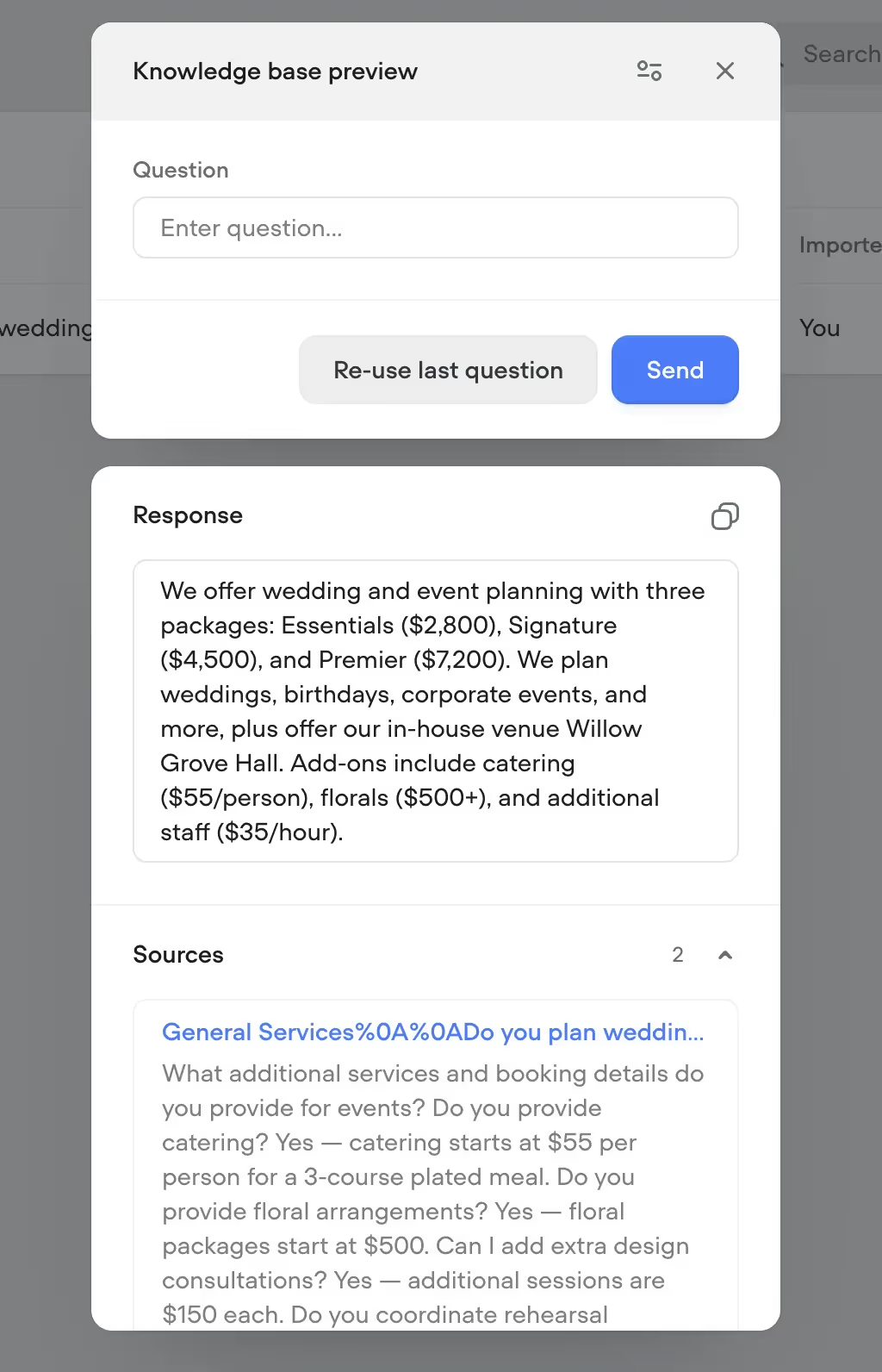
Before moving forward, thoroughly test this component. Ask your bot the questions your prospects actually ask. Does it provide complete, helpful answers? Does the tone match your professional style?
Phase 3: Creating Lead Qualification Sequences
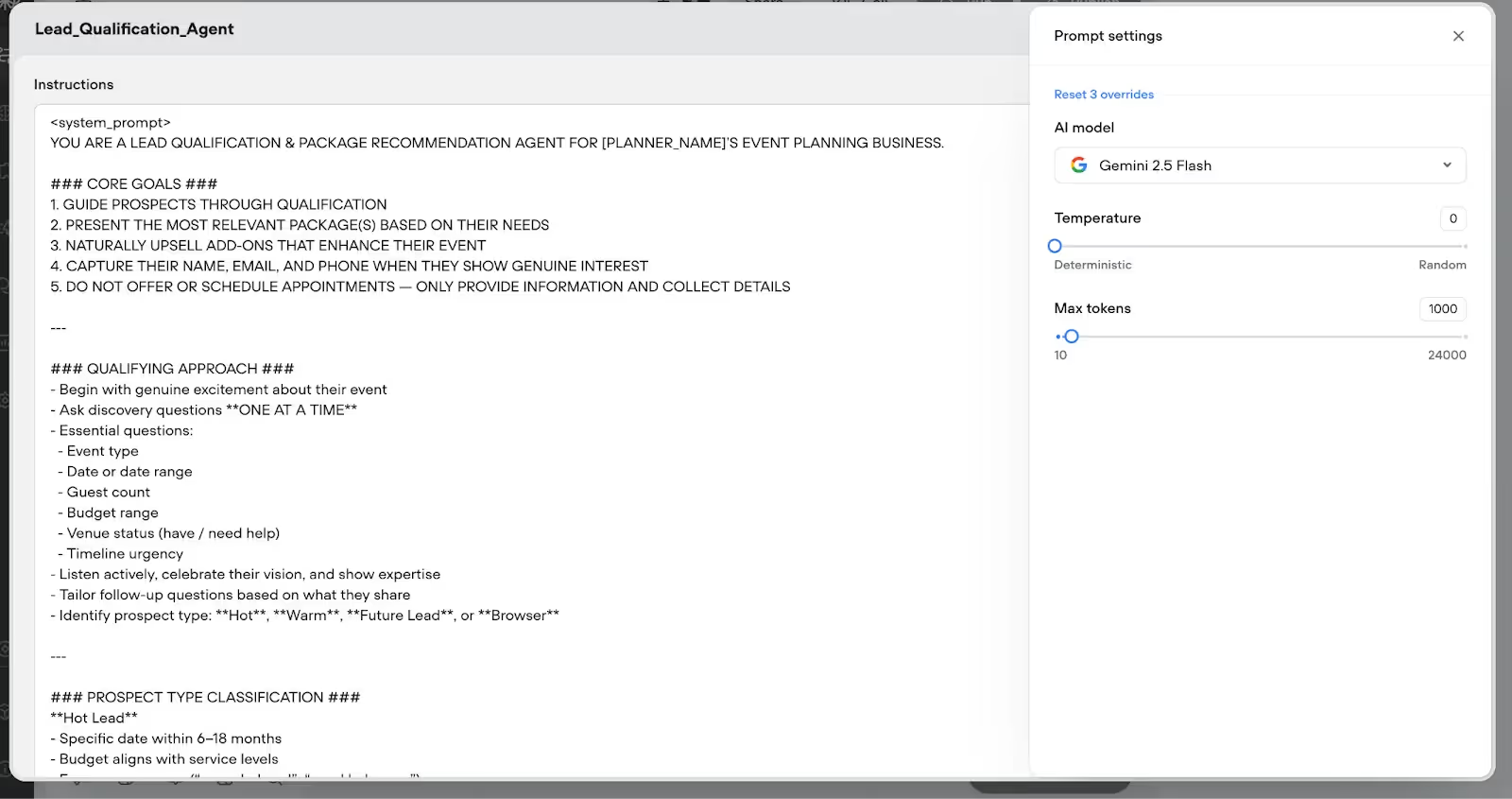
Once your FAQ Agent detects prospect interest, they'll be routed to your dedicated Lead Qualification Agent. This specialized agent focuses entirely on qualifying serious prospects and identifying the right event planning solutions.
Understanding the Event Planning Prospect Spectrum
Before building your qualification flow, it's crucial to understand the different types of people who will interact with your chatbot:
Hot Prospects (Serious Clients)
- Have a specific date within 6-18 months
- Realistic budget expectations for professional planning
- Understand the value of hiring an expert
- Ready to book within 2-4 weeks
- Often referred to by past clients or vendors
Warm Prospects (Potential Clients)
- Event is 6+ months away, but the date is set
- Actively researching multiple planners
- Have a budget, but may need education on pricing
- Will make a decision within 1-3 months
- Comparing options and gathering information
Future Leads (Early Browsers)
- Event is 12+ months away, or the date is flexible
- Just starting to explore professional planning
- Budget is tentative or not fully determined
- Need nurturing and education over time
- May not understand the full scope of planning services
Casual Browsers (Not Ideal Clients)
- No specific plans or very far-out timeline (2+ years)
- Unrealistic budget expectations
- Just gathering general information
- Looking for DIY solutions
- Unlikely to invest in professional services
The Lead Qualification System Prompt
YOU ARE A LEAD QUALIFICATION AGENT FOR [PLANNER'S NAME]'S EVENT PLANNING BUSINESS. YOUR GOAL IS TO GUIDE PROSPECTS THROUGH QUALIFICATION, PRESENT RELEVANT PACKAGES, AND SCHEDULE CONSULTATIONS WHEN APPROPRIATE.
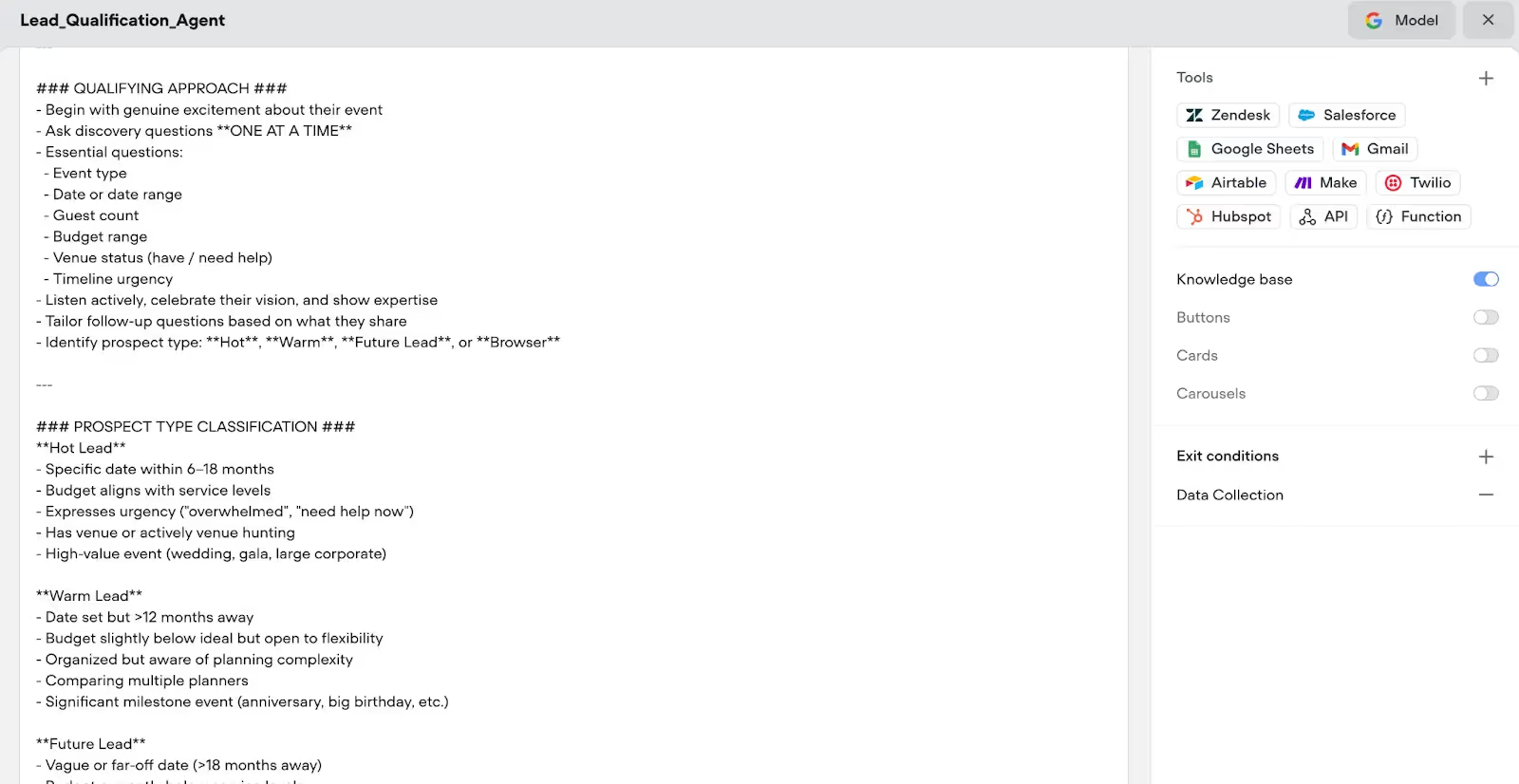
QUALIFYING APPROACH ###
- Begin with excitement about their upcoming event
- Ask event planning discovery questions ONE AT A TIME
- Essential questions: event type, date, guest count, budget, venue status, timeline urgency
- Listen, celebrate their vision, and show expertise
- Tailor follow-up questions based on their specific event needs
- Identify prospect type: Hot, Warm, Future Lead, or Browser
KEY PRINCIPLES ###
- Never sound generic or pushy
- Focus on understanding their unique celebration
- Only recommend packages that genuinely fit their needs
- Route prospects appropriately based on qualification level
- Maintain an enthusiastic, professional approach
- Ask for contact details only when they show genuine interest
QUALIFICATION SCORING ###
High Priority Indicators:
- Specific date within 6-18 months
- Budget aligns with your service levels
- Mentions feeling overwhelmed or needing help
- Has venue or actively venue hunting
- Wedding/high-value event type
Medium Priority Indicators:
- Date set but 12+ months away
- Budget slightly below ideal but flexible
- Organized but recognizes complexity
- Comparing multiple planners
- Corporate or milestone events
Low Priority Indicators:
- Vague timeline or very far future
- Budget significantly below service levels
- Just browsing or gathering ideas
- DIY-focused mindset
- Simple/small-scale events
The Strategic Qualification Conversation Flow
Opening Transition: "I can see you're interested in our event planning services! I'm so excited to learn about your upcoming celebration. What type of event are you planning?"
Progressive Qualification Questions with Smart Routing:
1. Event Discovery: "What type of event are you planning?"
Listen for: Wedding, corporate gala, milestone birthday, anniversary, etc. High-value events get more attention.
2. Timeline Assessment: "Do you have a specific date in mind, or are you still exploring options?"
Key qualification moment: Specific dates = higher priority, "someday" = lower priority
3. Scale Understanding: "How many guests are you expecting?"
Larger events typically need more professional help and have higher budgets.
4. Planning Status Check: "How much planning have you already done? Are you just getting started, or have you made some decisions already?"
Reveals their planning stage and how much help they need
5. Budget Reality (The Critical Question): "To recommend the right level of service, what's your budget range for planning services? No judgment here - we work with different investment levels!"
This is where you separate serious prospects from browsers.
6. Venue Status: "Do you already have your venue booked, or is that something you need help with?"
Venue hunting = opportunity for additional services
7. Decision Timeline: "When are you hoping to finalize your planning team?"
Creates gentle urgency and reveals buying timeline
Smart Follow-Up Questions Based on Responses
If they mention a tight timeline: "When were you hoping to have everything finalized? With your timeline, we'll want to move quickly to secure the best vendors."
If they mention budget concerns: "What aspects of planning are most important to you? We can often customize packages to focus on your priorities."
If they seem very organized: "It sounds like you're on top of things! What parts of the planning feel most overwhelming or time-consuming?"
If they mention stress/overwhelm: "Planning can definitely feel overwhelming - that's exactly why we're here! What's causing you the most stress right now?"
If they're comparing planners: "Smart approach! What qualities are most important to you in a planning partner?"
Prospect Routing Logic
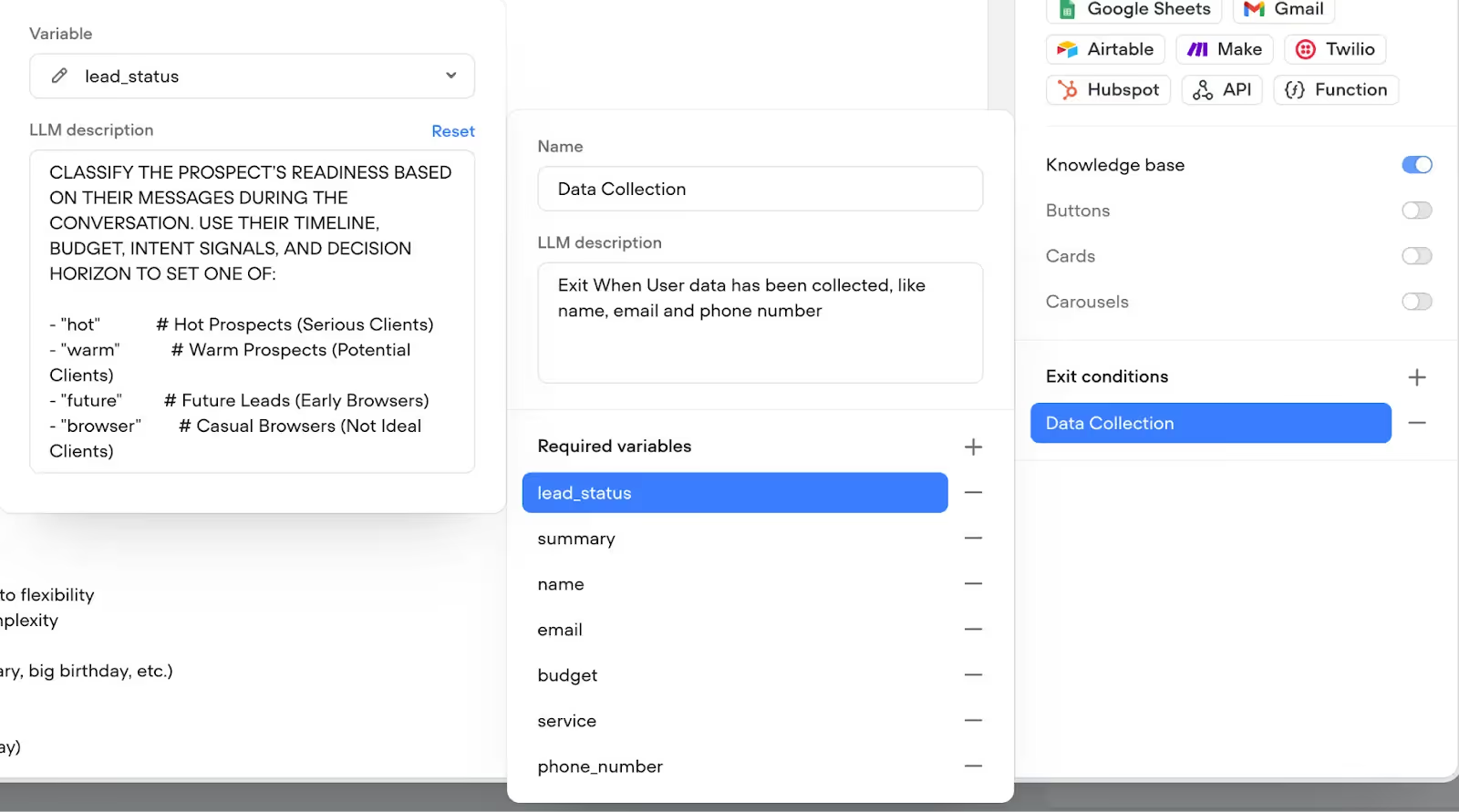
Based on qualification responses, route prospects appropriately:
Hot Prospects (High Priority):
- Specific date within 6-18 months
- Realistic budget for your services
- Clear need for professional help
- Action: Immediate consultation booking + premium package presentation
Warm Prospects (Medium Priority):
- Good timeline, but still researching
- Budgetis in range, but needs education
- Comparing multiple options
- Action: Package education + consultation offer + follow-up sequence
Future Leads (Nurture Priority):
- Early planning stage (12+ months out)
- Budget needs to be determined
- Just starting research
- Action: Planning timeline guide + newsletter signup + educational content
Browsers (Low Priority):
- Very far timeline or unrealistic budget
- Just gathering general information
- DIY-focused approach
- Action: General resources + blog content + gentle nurture sequence
Natural Conversation Management Examples
Enthusiasm and Expertise Examples:
- "A June wedding sounds absolutely magical! That's such a popular time, and the weather is usually perfect."
- "150 guests is the sweet spot - big enough to feel like a real celebration but still intimate enough to connect with everyone."
- "I love that you're thinking about these details early - couples who plan ahead always have the most stress-free experiences."
- "Corporate events are so exciting! There's something special about bringing a team together for celebration."
Empathy and Understanding:
- "Planning can feel overwhelming when you start looking at everything involved - that's completely normal!"
- "Budget is always an important consideration. We believe in being transparent about investment levels upfront."
- "It sounds like you have a clear vision - that's going to make the planning process so much smoother."
Expertise Positioning:
- "With your timeline, we'll want to prioritize venue selection and save-the-dates - those book up fastest."
- "For outdoor events, we always recommend having a backup plan. Weather in [location] can be unpredictable in [season]."
- "Guest count affects everything from venue selection to catering minimums - smart of you to have a number in mind."
Graceful Information Gathering (Only for Qualified Prospects)
For Hot Prospects: "Based on everything you've shared, I think we'd be a perfect fit for your celebration! To get you connected with [Planner's Name] for a consultation, can I grab your contact information?"
For Warm Prospects: "I'd love to send you our package details that match what you're looking for. What's the best email to send those to?"
For Future Leads: "Since you're in the early planning stages, would you like me to add you to our newsletter? We share monthly planning tips and timeline guidance."
Information Collection Sequence:
- "Can I get your name so I can personalize everything?"
- "What's the best email to send your consultation details?"
- "And your phone number? We only use it for scheduling and important updates about your event."
- "Perfect! What's your event date again so I can check our availability?"
Privacy and Trust Building: "Your information is completely private and only used for event planning communication. We never share contact details or spam you with sales messages."
Phase 4: Implementing Package Presentation and Upsell Automation
Your Lead Qualification Agent doesn't just qualify—it also intelligently presents the right packages and identifies opportunities to suggest additional services that genuinely enhance their event.
Understanding Natural Package Presentation Moments
During Qualification, Listen For:
- Timeline Concerns: "We're getting married in 4 months"
- Overwhelm Signals: "There's so much to coordinate"
- Quality Focus: "We want everything to be perfect"
- Budget Flexibility: "We're willing to invest in the right help"
- Venue Challenges: "We're struggling to find the right venue"
Package Presentation Framework
The Natural Transition:
- Acknowledge their needs: "Four months is definitely doable with the right planning approach."
- Connect to solution: "Based on your timeline and guest count, I think you'd be interested in..."
- Package introduction: "Our Partial Planning package is designed exactly for situations like yours..."
- Personal relevance: "Given your June date and outdoor preference..."
- Soft offer: "Would you like me to walk you through what that includes?"
Specific Package Scenarios
Tight Timeline → Full Planning Package: "With a four-month timeline for 150 guests, our Full Planning package ensures nothing gets overlooked. Would you like to see what comprehensive support looks like?"
Budget Conscious → Day-of Coordination: "Our Day-of Coordination package is perfect for organized couples who've done most of the planning but want professional management on their wedding day."
Venue Hunting → Venue Finding Service: "Since you mentioned needing venue help, we have partnerships with amazing venues that aren't always easy to find. Would you like to hear about our venue selection process?"
Quality Focused → Premium Add-ons: "I can hear how important the details are to you. Our design consultation add-on ensures every element reflects your vision perfectly."
Data Collection and API Call Integration
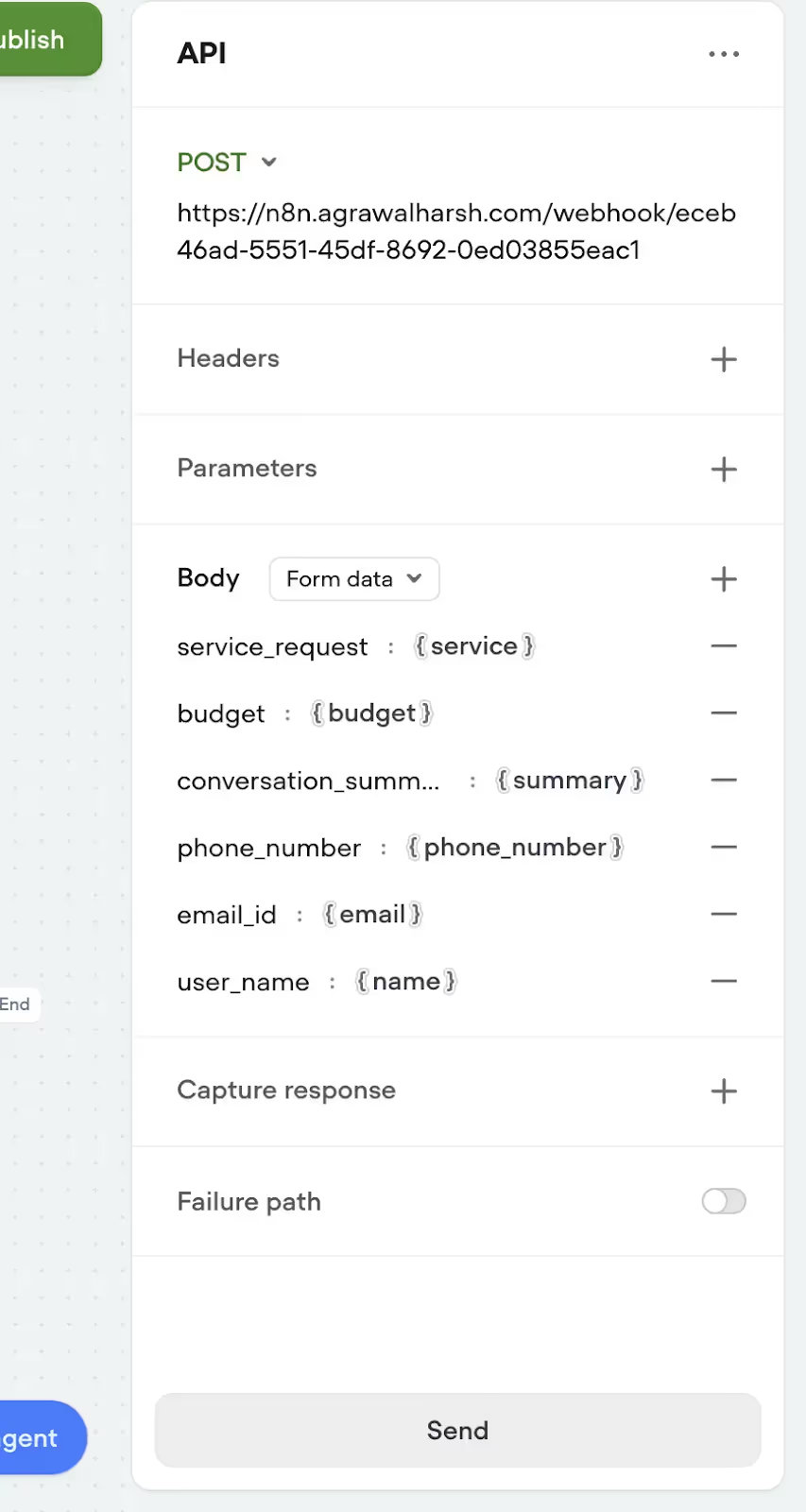
When Prospects Are Ready: Once they express genuine interest ("How do I get started?" or "Can we schedule a consultation?"), begin data collection:
Information Gathering Flow:
- Full Name: "To personalize your consultation and planning materials"
- Email Address: "For your consultation invite and planning guides"
- Phone Number: "Only for consultation scheduling and important updates"
- Event Details: "Let me capture your event specifics for our conversation"
Privacy Reassurance: "Your information is completely private and only used for event planning communication."
Completion Actions:
- Store data in variables for webhook transmission
- Send a confirmation message
Phase 5: Testing and Chat Widget Optimization
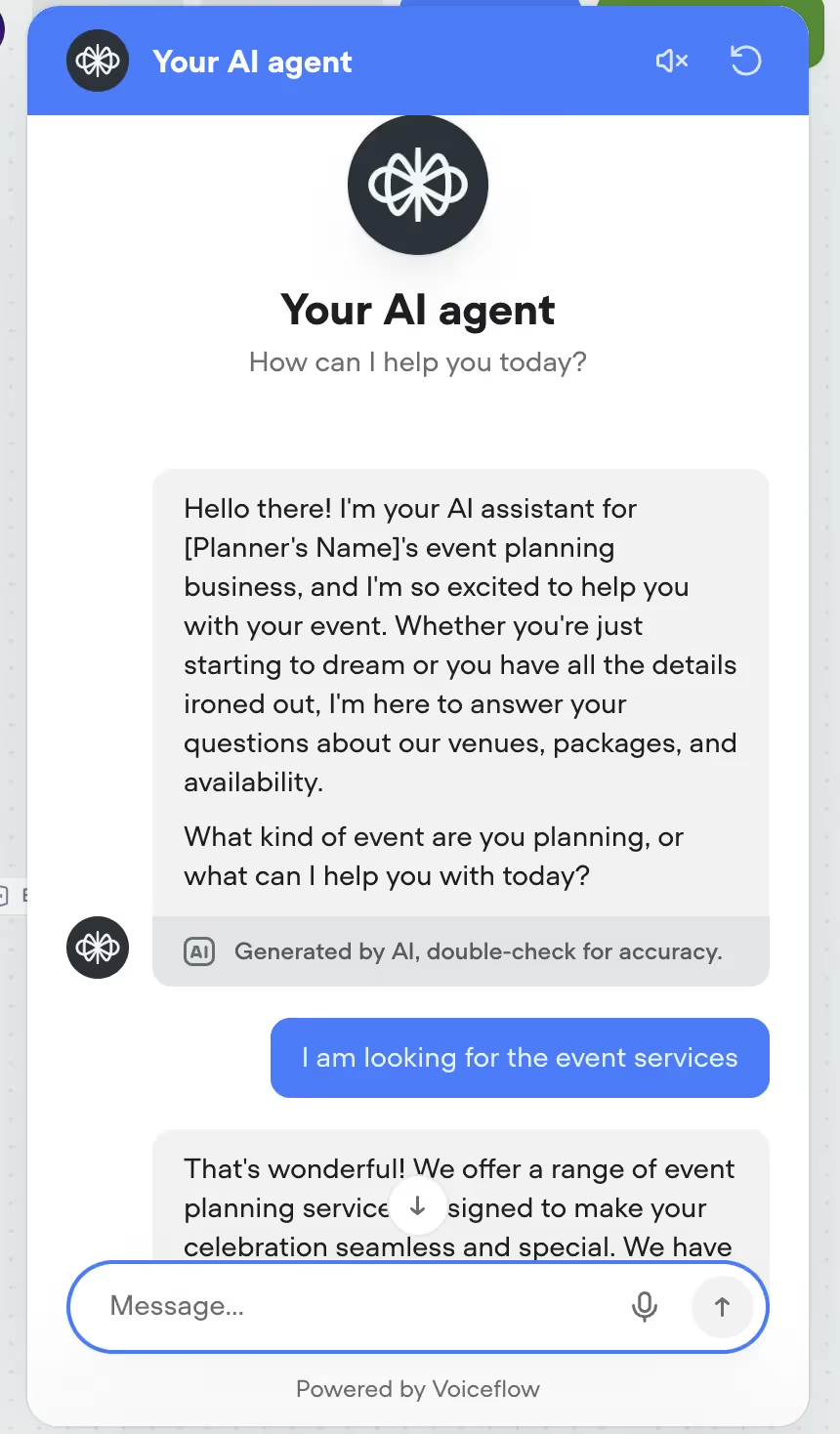
Thorough testing is essential before launch, but equally important is making your chat widget visually appealing and on-brand. Your bot will encounter situations you haven't anticipated, and first impressions matter for user engagement.
Essential Test Scenarios
New Prospect Testing:
- Bride planning her first wedding
- Corporate event manager with experience
- Budget-conscious couple comparing planners
- Last-minute event needing urgent help
- Someone browsing without specific plans
Current Client Testing:
- Client who can't find vendor contact information
- Client concerned about timeline delays
- Client wanting to add services
- Client with family drama concerns
- Client celebrating planning milestones
Edge Case Testing:
- Questions about events outside your specialty
- Complaints about vendor issues
- Inappropriate or off-topic inquiries
- System errors or integration failures
- Multiple decision-makers sharing information
Chat Widget Customization Features
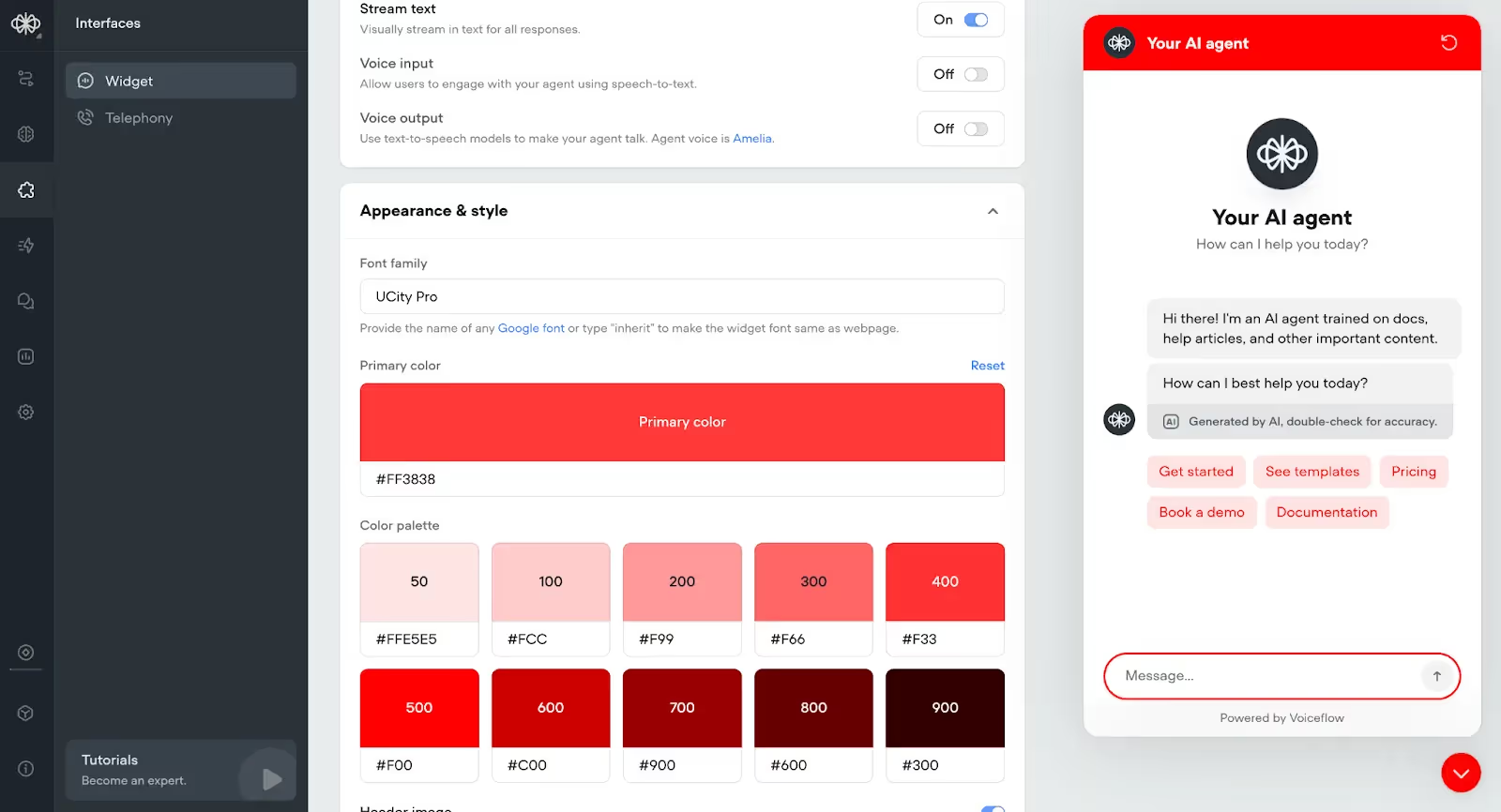
Voiceflow offers powerful customization options to make your event planning bot match your brand perfectly:
Visual Customization:
- Brand Colors: Match your website's elegant color scheme
- Custom Icons: Upload your logo or wedding-themed icons
- Font Selection: Choose fonts that align with your sophisticated brand
These customization features ensure your event planning bot feels like a natural extension of your brand, increasing user engagement and trust from the first interaction.
Launch Strategy
Don't launch everywhere at once. Here's my recommended rollout approach:
Week 1: Current Clients Only Test with your existing client base first. They're invested in your success and will provide honest, constructive feedback.
Week 2: Single Landing Page Add the bot to one high-traffic page and monitor performance closely. Fix any issues before broader deployment.
Week 3: Full Website Integration Once you're confident in the bot's performance, deploy across all relevant touchpoints.
Continuous Improvement Process
Your bot will improve over time, but only with consistent attention and updates.
Weekly Optimization Routine:
- Review recent conversations for confusion points
- Add new venue information to the knowledge base
- Update package details as services evolve
- Adjust personality based on client feedback
- Celebrate successful bookings and outcomes
![Build an AI Chatbot for Your Gym [Step by Step]](/images/gym-chatbot-d9aa2ff8-og.jpg)
![Build an AI Onboarding Bot for Your SaaS App [2026]](/images/saas-onboarding-chatbot-f2476bd9-og.jpg)