
Voiceflow named a 2026 Best Software Award winner by G2
Read now







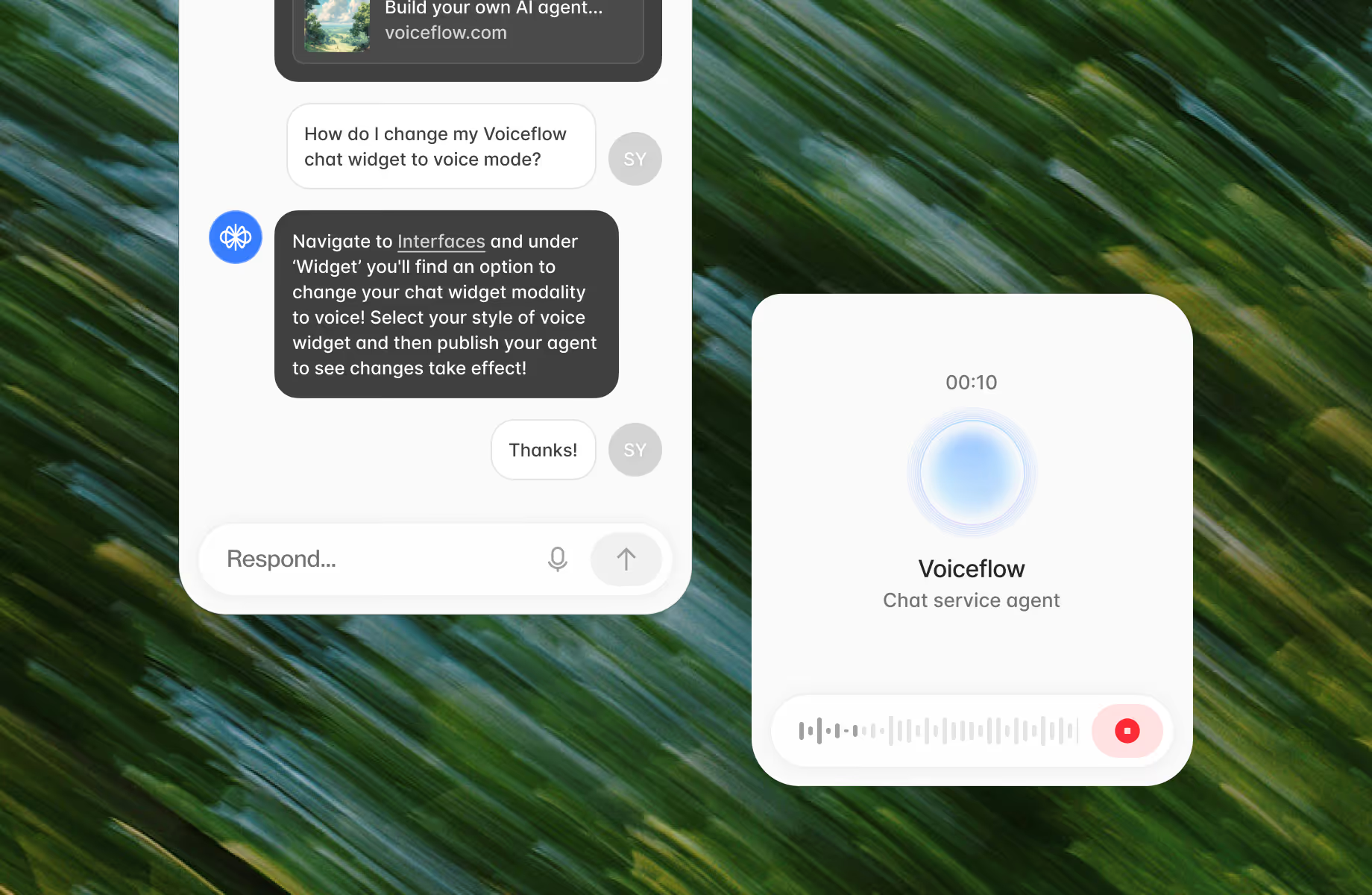
Keeping up with client demands is a continuous challenge for marketing agencies. You're constantly juggling multiple campaigns, brainstorming creative strategies, and ensuring everything runs smoothly from concept to execution. But what about those repetitive queries or the need for real-time engagement? It can feel overwhelming when your team’s time could be better spent crafting innovative ideas rather than fielding routine requests.
This is where Voiceflow comes in as your secret weapon. By building an AI agent specifically tailored to marketing needs, you’re streamlining support tasks so that nothing falls through the cracks. From handling common inquiries like campaign updates to assisting with scheduling consultations around-the-clock—your agency’s efficiency gets a noticeable boost without adding overhead costs or complexity to operations.






Right now, marketing agencies often face the challenge of engaging customers quickly and efficiently across multiple channels. Waiting for a human agent to respond can be time-consuming, especially when clients need quick answers or information about campaigns. A voice chatbot changes this by providing instant responses 24/7, handling routine inquiries so your team can focus on more complex tasks.
This means you get less waiting time for your clients and higher satisfaction rates as they receive timely updates or support whenever needed. Plus, with consistent messaging through an AI-driven conversation flow design in Voiceflow, you're ensuring every customer interaction aligns with your brand tone and guidelines without any extra effort from your team.
Start by deeply understanding your audience's needs and the specific goals of your marketing campaign. This means talking to clients, reviewing past campaign data, and pinpointing where an AI agent can add value—like handling repetitive inquiries or gathering customer insights without manual intervention. It's crucial that you outline clear objectives for what the AI should achieve; this keeps it focused on tasks like lead qualification rather than trying to do everything at once.
Next, invest time in training your AI with accurate datasets relevant to the types of interactions it'll handle. Regularly update its knowledge base as trends change because a well-informed agent offers more personalized experiences—a key factor when building trust in client relationships. Make sure there's ample opportunity for human oversight so adjustments can be made based on real-time feedback from users interacting with the system daily.
Yes, web chatbots can certainly be integrated with the existing CRM tools that marketing agencies use. This means you can maintain your client interactions all in one place without having to juggle between multiple platforms.
The integration allows for real-time syncing of data such as leads and customer inquiries directly into your CRM system. So when a potential lead engages via chatbot on your website, their information immediately updates in your database—ensuring no opportunity slips through the cracks.
.avif)
.avif)