
Voiceflow named a 2026 Best Software Award winner by G2
Read now







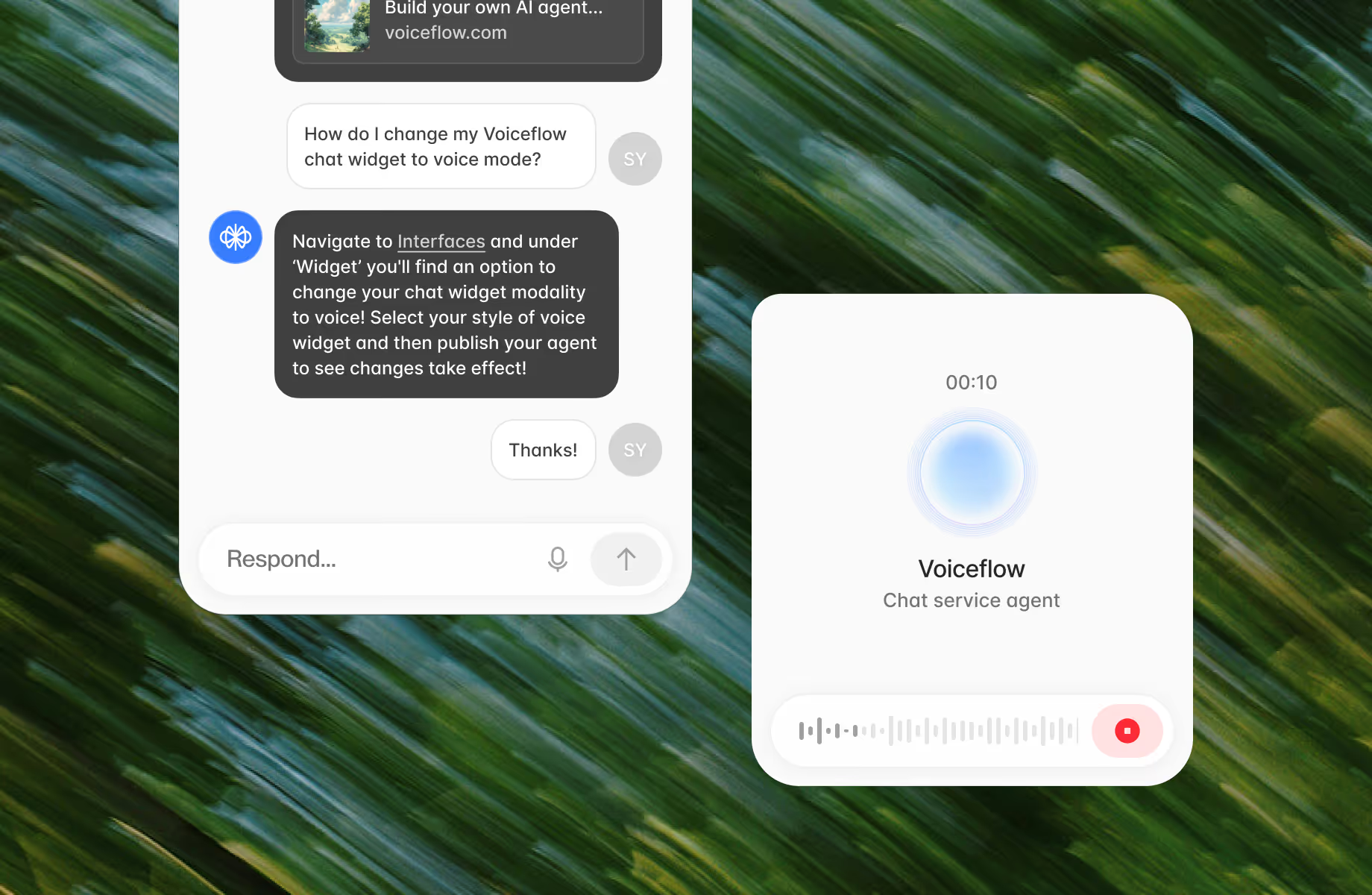
In the pest control industry, managing customer expectations while juggling operational logistics can be quite a task. Imagine you're knee-deep in planning your next extermination project when yet another call comes through from a concerned client asking about their scheduled appointment time or requesting immediate service availability due to an unexpected infestation. This constant back-and-forth drains valuable time and resources that could otherwise be spent providing efficient service.
This is where Voiceflow steps in with AI agents tailored specifically for pest control companies. By integrating automated voice interactions into your workflow, you streamline communication without losing that personal touch clients appreciate. Picture this: A worried homeowner calls at 9 PM on a Saturday because they spotted termites; instead of waiting until Monday morning for human assistance, they get instant responses via an intelligent agent capable of scheduling visits or giving preliminary advice based on company protocols—even outside business hours! What you get are happier customers and more focused teams who can concentrate on what truly matters—getting the job done effectively.






If you're in the pest control business, dealing with a swarm of customer inquiries can feel as overwhelming as tackling an infestation. A voice or web chatbot steps in to handle these queries 24/7, so you don’t have to worry about missing calls during off-hours or when your team is busy on-site. This means customers get instant answers whether they’re asking for service availability at midnight or checking appointment times first thing Saturday morning.
But it's not just about being there around the clock; it’s also about providing accurate information quickly and consistently. With tailored responses based on common questions like "Do you treat bed bug infestations?" or "What are your rates?", chatbots free up time for more complex issues that require human expertise. The difference this makes? You spend less time fielding routine questions and more time focusing on delivering outstanding pest control services.
When crafting an AI agent for pest control services, it's crucial to start by understanding your customers' most common concerns and questions. Think about what typically frustrates them—maybe it’s scheduling appointments, identifying pests quickly, or getting urgent assistance. Your AI should be equipped to handle these tasks efficiently by providing instant answers with accurate information tailored specifically to the pest issues in their area.
The key is training your AI using industry-specific data so that it recognizes patterns unique to pest behaviors and regional differences. Additionally, maintain a feedback loop: encourage users to flag unhelpful responses so you can continually refine its accuracy over time. This approach ensures the agent evolves alongside new challenges faced within the field of pest management.
Yes, chatbots can handle scheduling and booking appointments for pest control with impressive efficiency. When a customer visits your site or engages through messaging platforms, the AI agent can guide them through setting up an appointment by asking essential questions like preferred dates and times, types of pests they’re dealing with, and any specific requirements they might have.
This works because the chatbot integrates seamlessly (yes - without using "seamless") into your existing calendar system to check real-time availability before confirming bookings. This not only reduces back-and-forth communication but also ensures that no potential client falls through the cracks due to manual errors in scheduling.
.avif)
.avif)