Telecommunications

AI for Telecommunications & Networks

Scale support with AI for Telecommunications. Build AI agents to automate service requests, troubleshoot issues, and deliver real-time support across every customer interaction.
Teams of every size trust Voiceflow for AI automation across their business
brand logoexpedia logoTuro company logo in white letters on a black background.clickup logovodafone logosage logobrand logo
Blurred image of tall grass against a blue sky background.
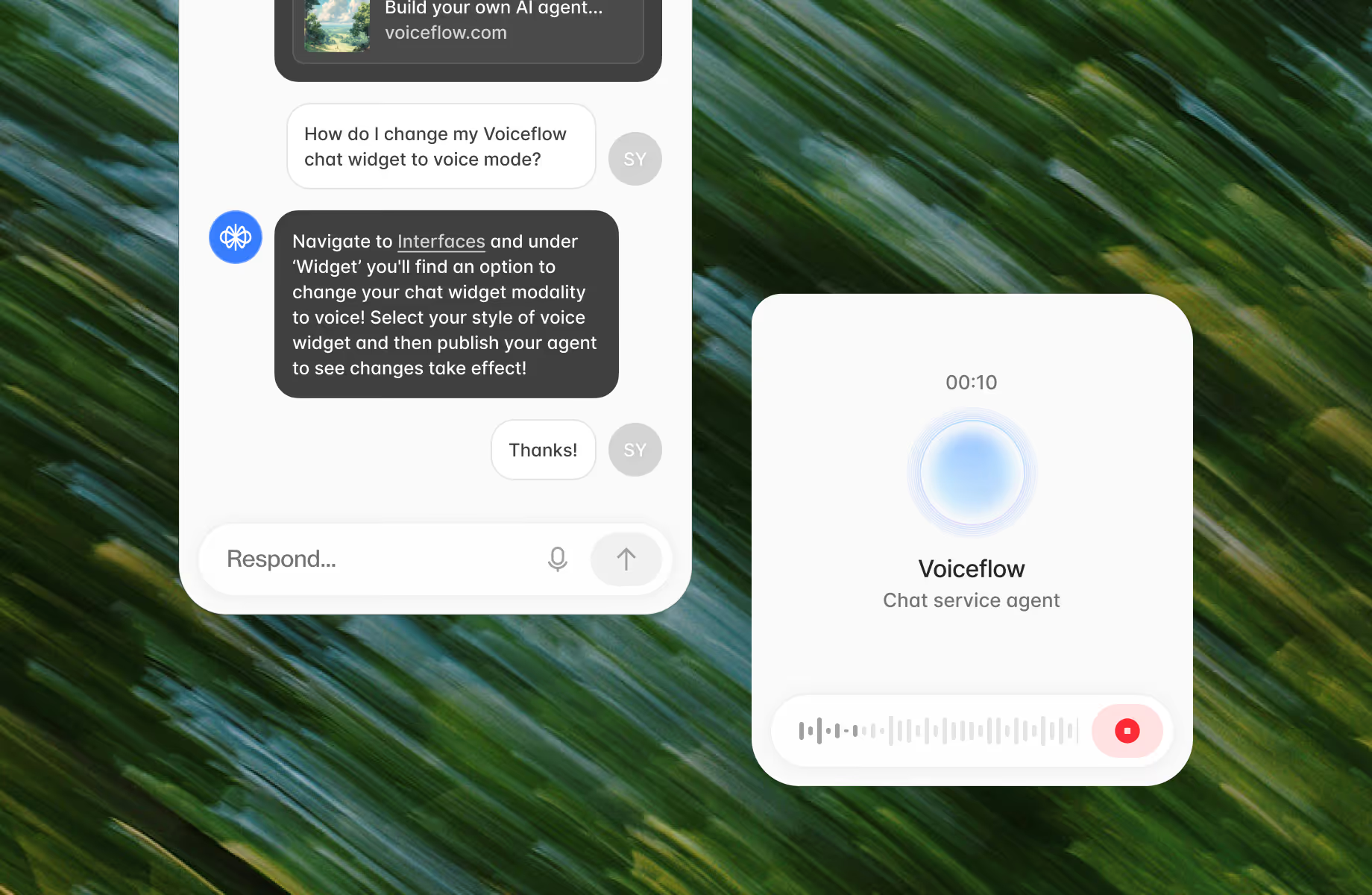
Voiceflow chat widget displaying a conversation about changing chat to voice mode, beside a voice recording interface showing a 10-second timer and a stop button.
Build

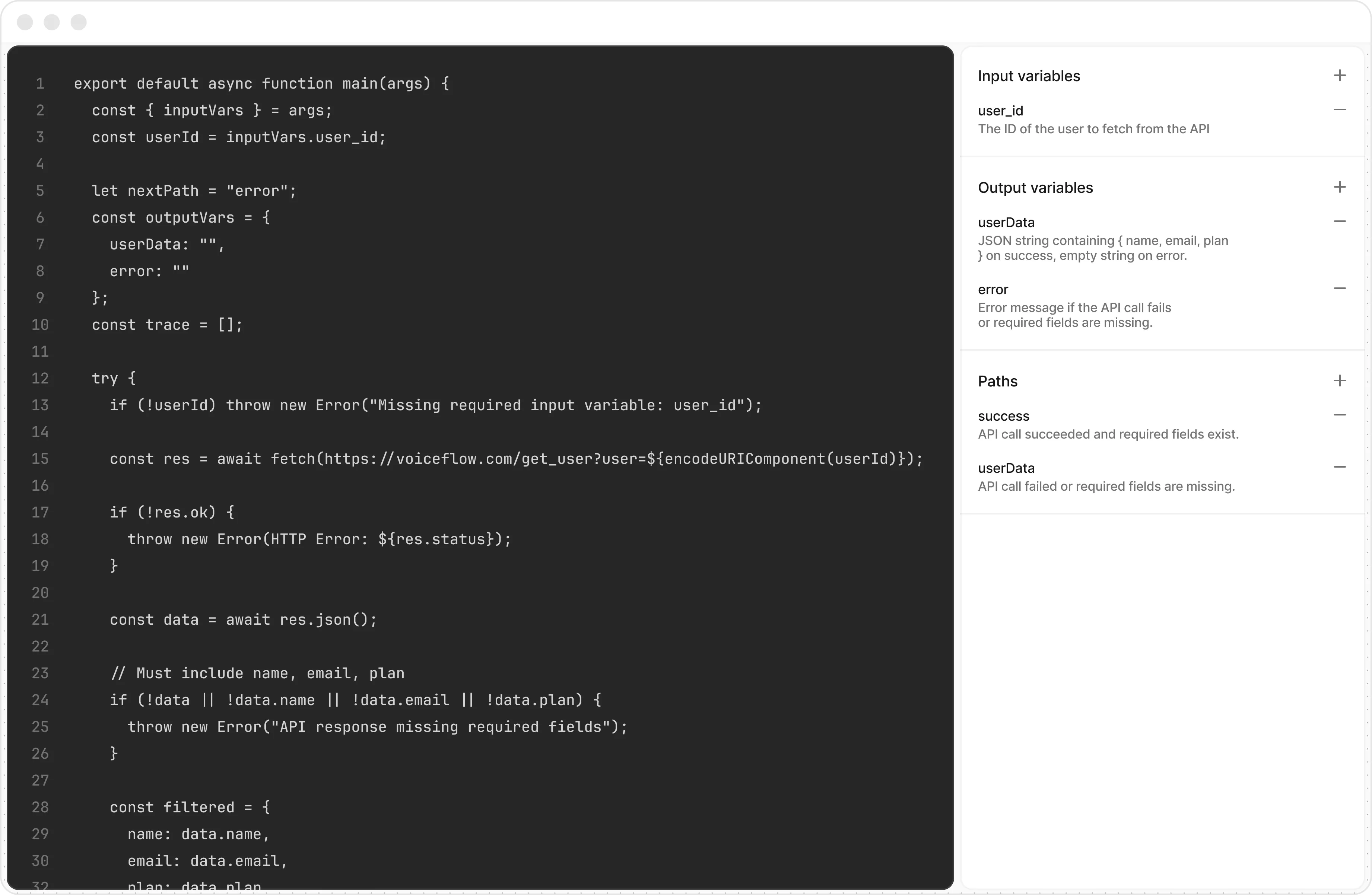
Build outside the box with Voiceflow's developer platform

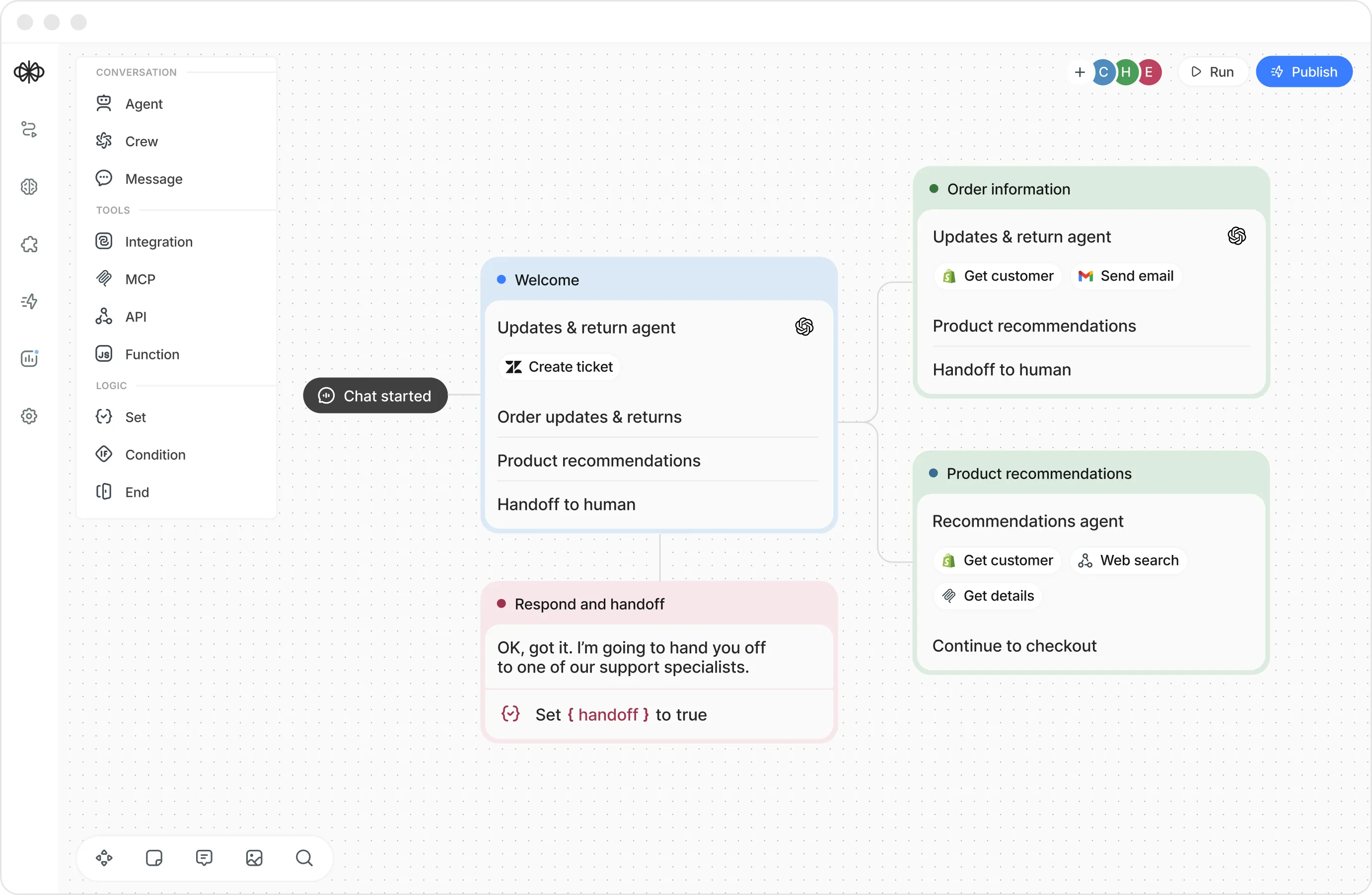
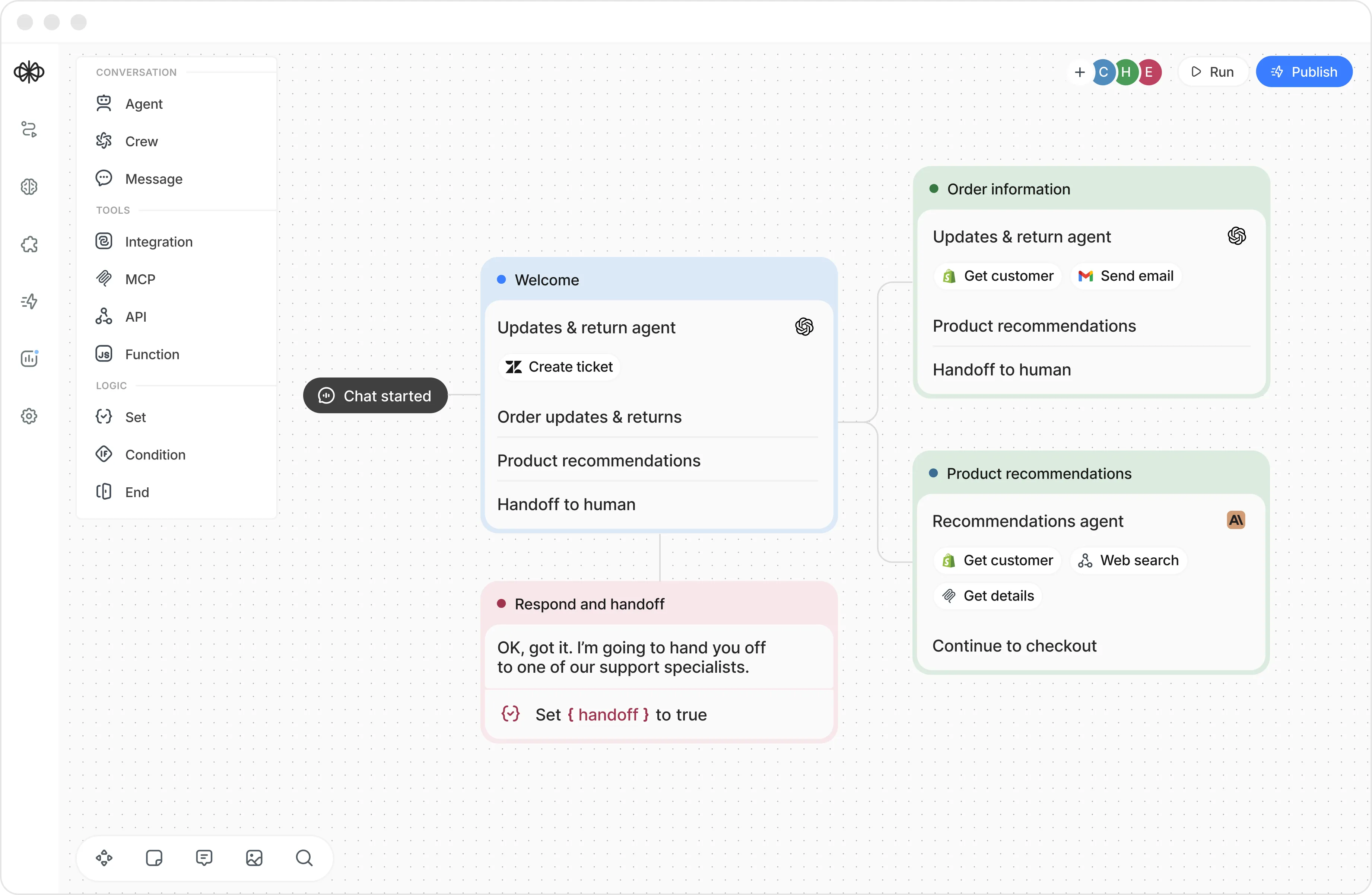
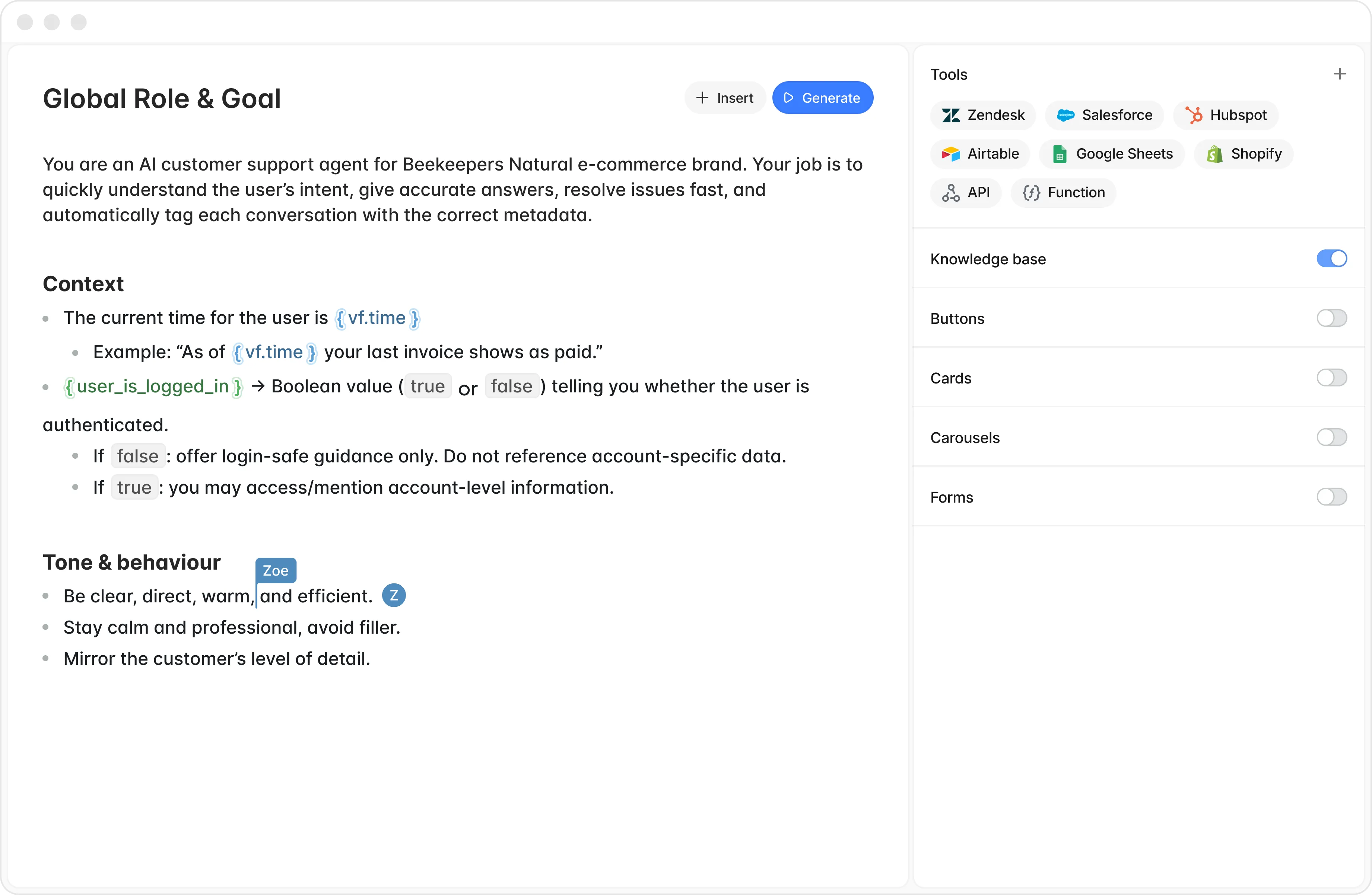
AI is transforming telecommunications by automating customer support, improving network troubleshooting, and enhancing service delivery. AI agents can resolve billing inquiries, guide users through technical issues, and provide real-time updates on outages and service status. This reduces call center volume, improves resolution times, and enhances customer satisfaction. Voiceflow enables telecom teams to build and deploy AI agents that integrate with CRM systems, network monitoring tools, and support platforms, allowing organizations to deliver fast, consistent, and scalable support across channels.

Common use cases

What AI can do for Telecommunications

Customer support automation
Resolve billing, plan, and service inquiries instantly across chat and voice channels.
Network troubleshooting assistant
Guide customers through diagnosing and fixing connectivity issues in real time.
Outage communication agent
Provide proactive updates on outages, maintenance, and service disruptions.
Plan recommendation assistant
Help customers choose the right plans based on usage and preferences.
Overview

How AI agents for telecommunications are built on Voiceflow

Why Voiceflow

Why telecommunications teams build AI agents with Voiceflow

Logos of Google Sheets, Zendesk, Salesforce, Airtable, Shopify, Hubspot, Make, and Gmail on a blurred green forest background.
layers stacked icon
Seamless system integrations
Connect AI agents to CRM, billing, and network systems with ease.
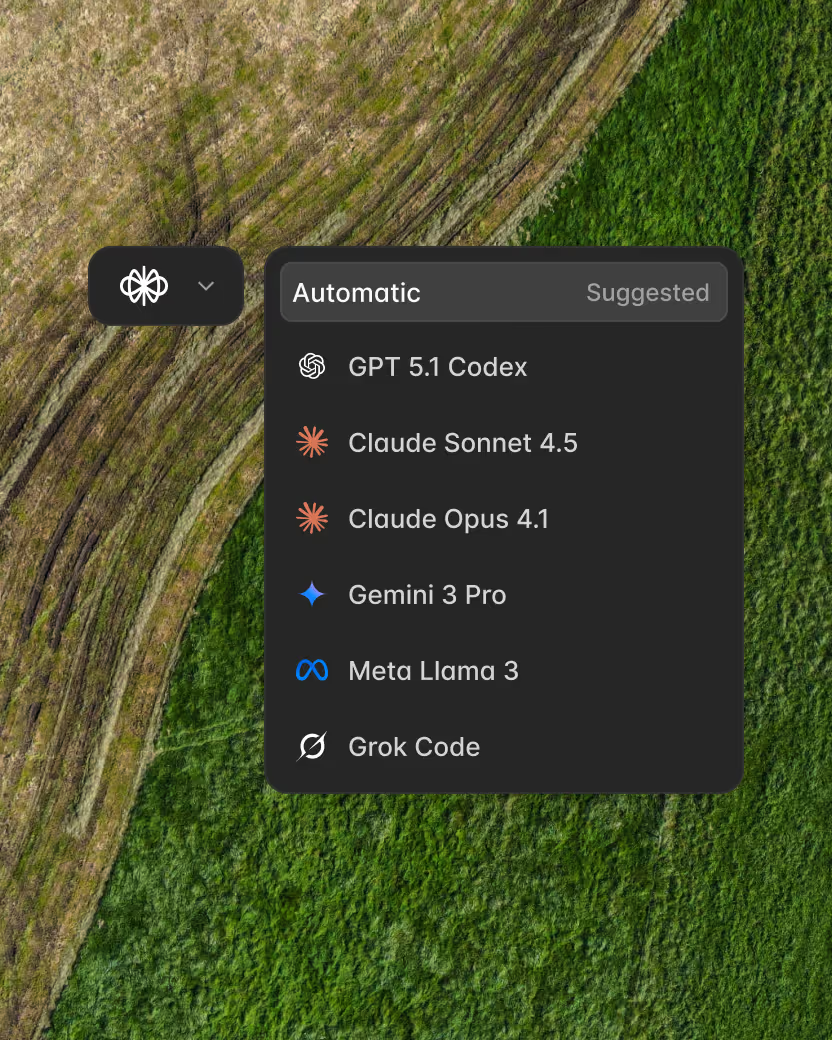
Dropdown menu displaying AI model options: GPT 5.1 Codex, Claude Sonnet 4.5, Claude Opus 4.1, Gemini 3 Pro, Meta Llama 3, and Grok Code on a background of aerial farmland.
star icon
Flexible AI model selection
Choose LLMs that balance speed, accuracy, and cost for telecom use cases.
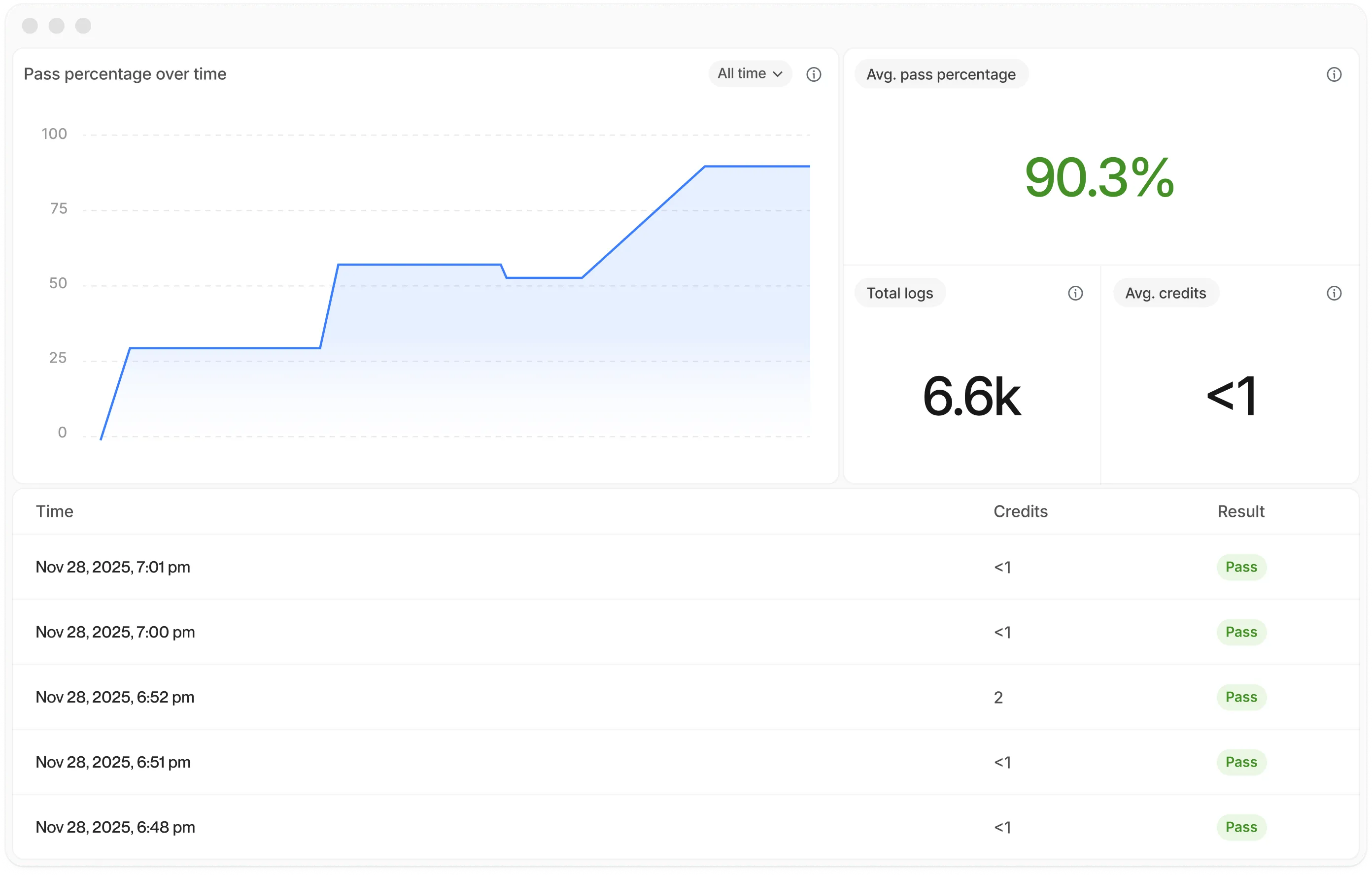
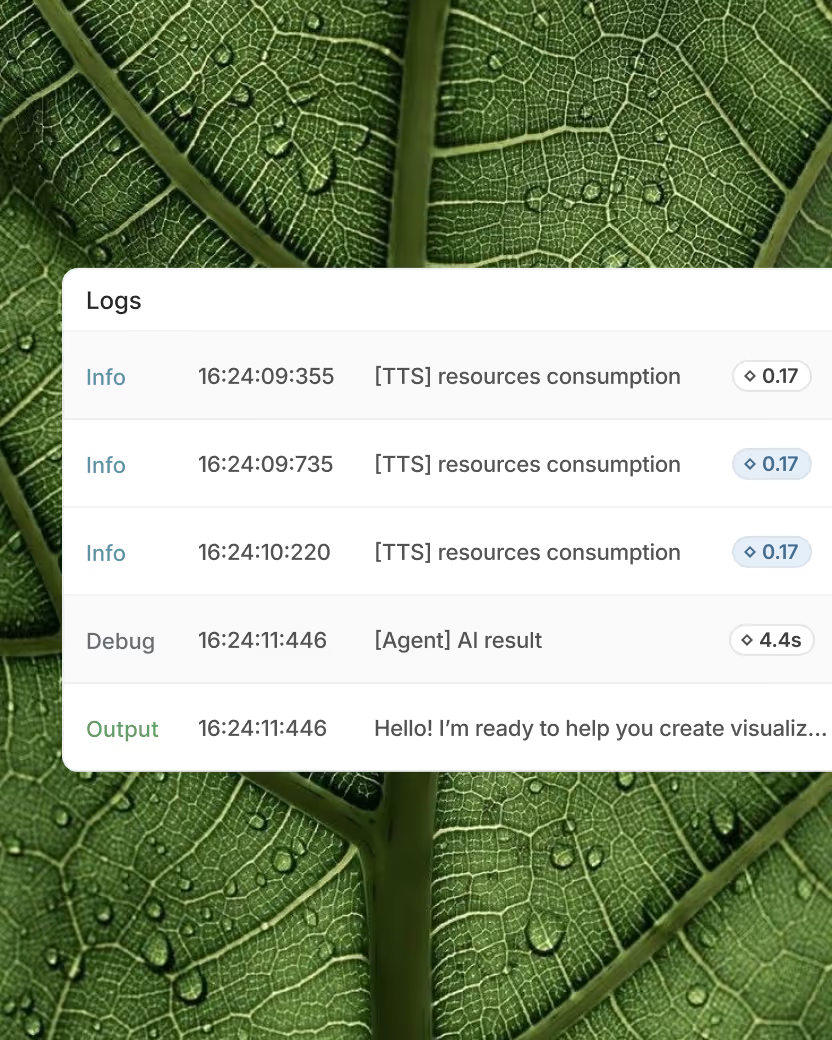
Interface showing logs of resource consumption, AI results, and output messages displayed over a close-up image of a green leaf with water droplets.
settings icon
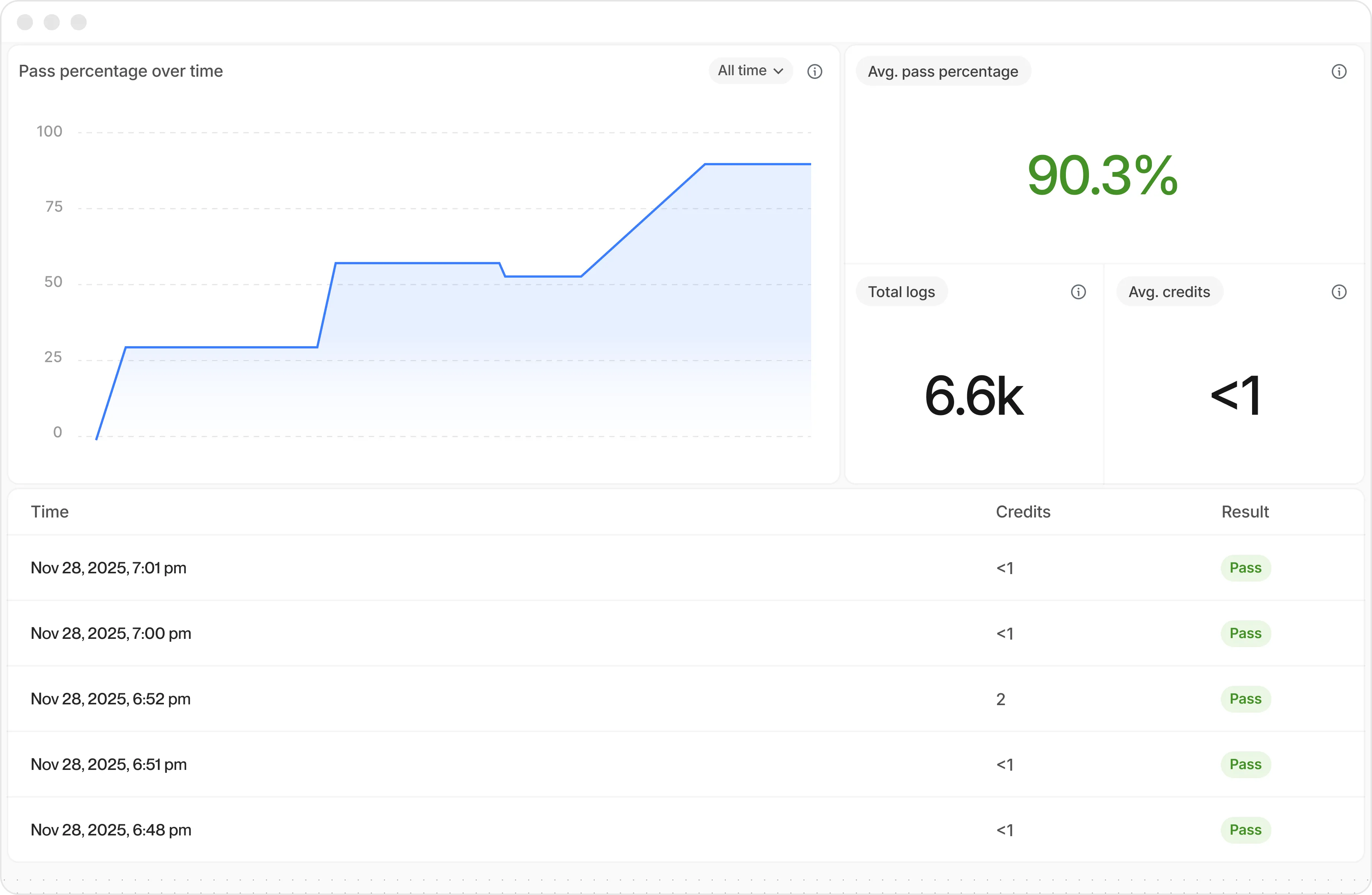
Real-time monitoring & logs
Track agent performance and improve support with detailed interaction data.
Security

Purpose-built for enterprise scale

Delivering a powerful platform that keeps customer data safe and end-user interactions secure.
background lines
comliance icon
SOC-2 Type II
Excellence from design to operation: data privacy, processing integrity, and confidentiality stay top of mind.
Dark circular badge with text 'ISO 27001: 2022' in white.
ISO/IEC 27001:2022
The highest organizational standards for information security management, ensuring your data stays private.
gdpr icon
GDPR Compliant
Personal data remains personal. Advanced user permissions lets users define handling procedures.
White medical caduceus symbol above the acronym HIPAA on a dark circular background.
HIPAA Compliant
Safeguarded systems designed to keep protected health information (PHI) secure.
bg image
Frequently asked questions
How is AI used in telecommunications?

AI is used to automate customer support, troubleshoot network issues, and provide real-time service updates.

Can AI reduce telecom support costs?

Yes, AI agents handle high volumes of inquiries, reducing reliance on call centers and lowering operational costs.

What are the benefits of AI for telecom companies?

AI improves efficiency, enhances customer experience, reduces costs, and enables scalable support operations.